How To Keep Kids Busy Without Screens | 104 Creative Ways I’ve Tried At Home
Looking for screen-free ideas that work? Try these 104 creative activities I’ve tested at home to keep kids active and smiling.
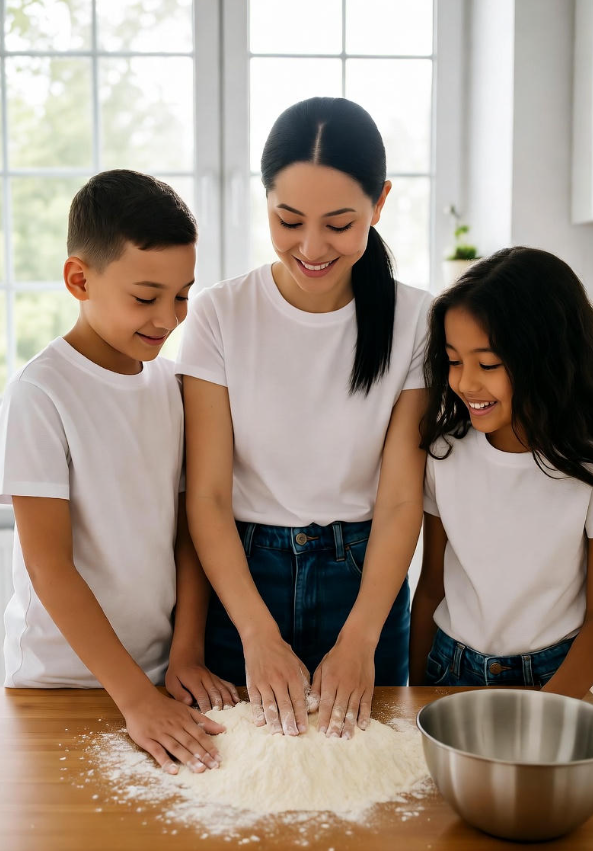
Oct 10, 2025
Screen-Free Activities That Actually Kept My Kids Busy
Last Tuesday, I walked into the living room and found my 7-year-old son sitting on the couch, tablet in hand, eyes glazed over. He’d been there for two hours. When I asked what he was watching, he couldn’t even remember. That moment hit me hard.
I’m not here to make anyone feel guilty screens can be lifesavers. Between work, dinner, and a hundred little things, they often feel like the only way to keep everyone calm. But I started noticing how much my kids relied on screens for entertainment, comfort, and even connection. That’s when I knew something had to change.
At first, screen-free afternoons were rough, endless sighs, “I’m bored!” complaints, and desperate pleas for the tablet. But slowly, something shifted. My daughter built a cardboard castle. My son invented stories with his toy dinosaurs. The boredom faded, replaced by curiosity and laughter.
I’ve gathered 104 screen-free activities that actually work, real ideas that helped my kids rediscover creativity, movement, and play. If you’ve ever wondered how to keep kids busy without screens, I promise: this list can make your home feel alive again.
1. Sensory Painting
Skip the traditional paintbrush. Let them paint with cotton balls, sponges, toy cars, or their fingers. Tape paper to the floor and let them paint with their feet. The process matters more than the product. My 3-year-old spent an hour creating "masterpieces" with a feather dipped in paint.
2. Puppet Making
Old socks, paper bags, and some markers are all it takes. Kids create characters, draw faces, and come up with silly stories for their puppets. Once they start performing, it becomes a mini theater right in your living room.
3. Sticker Art
Provide sheets of stickers and blank paper. Toddlers love the independence of creating without needing help. My 4-year-old made an entire sticker story about a princess and a dragon. The stickers cost $2 at the dollar store.
4. Collage Making
Save magazines, junk mail, and scrap paper. Give kids safety scissors and glue sticks. They can cut and paste for ages. No particular goal required just the joy of cutting and sticking things down.
5. Toilet Paper Roll Crafts
Before recycling those cardboard tubes, let kids transform them. They become binoculars, rocket ships, animals, or whatever imagination dictates. Add markers, stickers, or paint for decoration.
6. Comic Book Creation
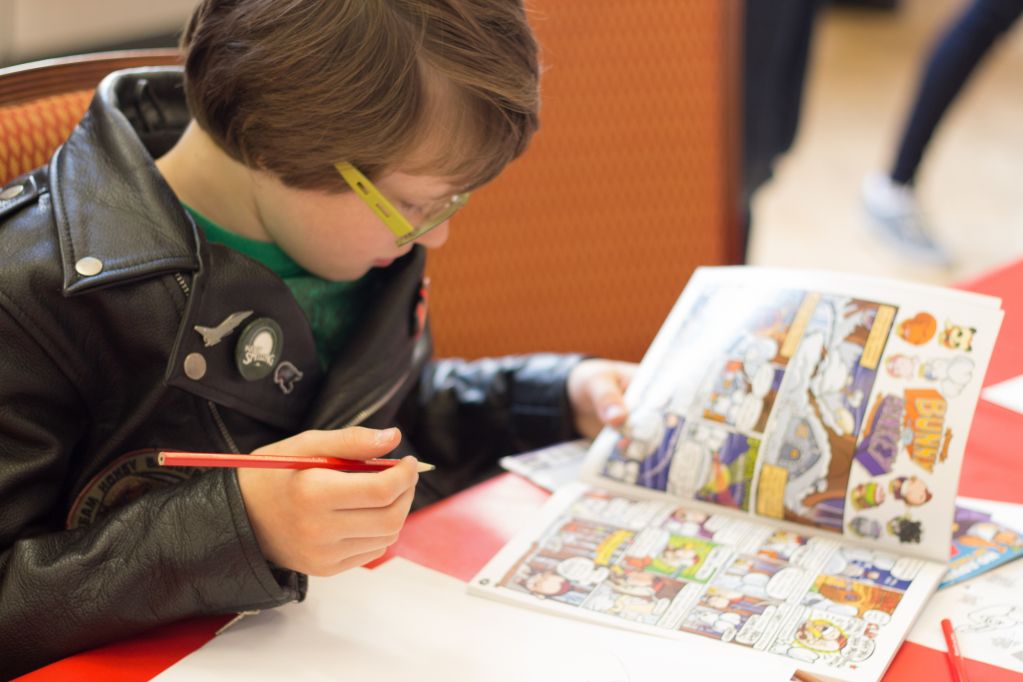
Fold paper to make comic book pages. Kids write and illustrate their own stories. My son spent three rainy afternoons creating an epic superhero series. He's talking about making a sequel.
7. Tangram Puzzles
Tangrams are perfect for quiet play. We use colorful shapes to make animals, boats, and houses. The kids learn about geometry without even knowing it, and I love seeing their problem-solving minds at work.
8. Lego Math Problems
We use Lego bricks for counting, adding, and building shapes. The kids think they’re just playing, but it’s sneaky learning at its best. It keeps math fun, colorful, and hands-on.
9. Kitchen Science (Like Making Butter)
We filled a jar with cream and shook it until it turned into butter. The kids couldn’t believe it worked! Simple kitchen experiments like this make learning science exciting and tasty.
10. Build A Fort
We grab blankets, pillows, and chairs to build our secret hideout. Once it’s done, the kids bring in snacks and flashlights, and we read stories inside. It’s amazing how something so simple can feel like a whole new world.
11. Friendship Bracelets
Embroidery floss friendship bracelets engage older kids who might find other crafts too childish. YouTube tutorials (used as a learning tool, then put away) teach various patterns. The focus and patience required makes this surprisingly meditative.
12. Cardboard Construction
Save Amazon boxes for serious building projects. My kids have created dollhouses, spaceships, cars they can sit in, and a "restaurant" with a working window. Provide tape, markers, and scissors, then step back.
13. Rock Painting
Collect smooth rocks from outside. Paint them with bright colors, patterns, or messages. We leave decorated rocks around our neighborhood for others to find. It's become a treasure hunt tradition.
14. Coloring Time
Don't underestimate the power of coloring books. They're not just for toddlers. My 10-year-old uses intricate mandala coloring books as a way to decompress after school. The repetitive motion is genuinely calming.
15. Paper Airplane Challenges
Design and decorate planes, then test them. Which flies farthest? Highest? Does the straightest line? My competitive kids turned this into a week-long tournament with different categories and prizes.
16. Window Painting
Use washable window markers or make window paint from dish soap and food coloring. Kids can create seasonal decorations, draw pictures, or leave messages. Easy cleanup makes parents happy.
17. Nature Art
Collect leaves, flowers, sticks, and stones. Arrange them into patterns or pictures. Press flowers between book pages. Make leaf rubbings with crayons and paper. These activities combine creativity with outdoor time.
18. Homemade Cards
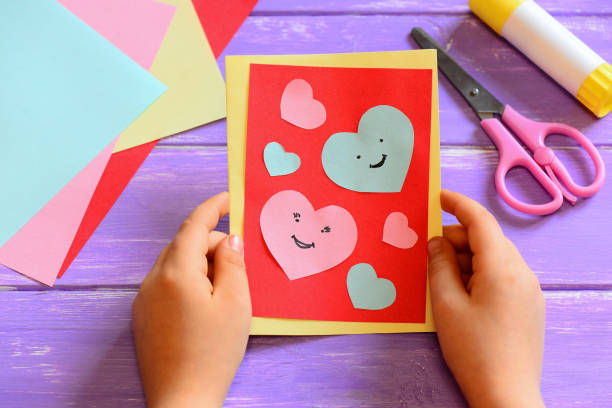
Birthdays, holidays, or "just because" cards for grandparents, friends, or each other. Provide cardstock, markers, stickers, and stamps. Teaching kids to create handmade gifts builds thoughtfulness alongside creativity.
19. Indoor Obstacle Course
Use couch cushions, tape on the floor, laundry baskets to jump over, and chairs to crawl under. Time them going through the course, then let them redesign it. My kids make elaborate courses that challenge me too.
20. Balloon Volleyball
A balloon and an imaginary net create surprising entertainment. The slow-motion quality of balloon movement makes this doable even in small spaces. We play to 10 points, and kids can absolutely beat adults at this game.
21. Yoga For Kids
Use kid-friendly yoga videos as a learning tool, then practice without screens. Animal-themed poses work great for younger kids. Tree pose, downward dog, and warrior poses build strength and balance. My kids now do yoga before bed as part of their routine.
22. Hallway Bowling
Set up plastic cups or empty bottles as pins. Roll a ball to knock them down. Kids can create elaborate scoring systems and tournaments. We've spent entire Sunday afternoons on this.
23. Pillow Fort Obstacle Course
Build a fort, then create challenges to navigate through it. Can you crawl through without knocking it down? How fast can you go? This combines building and physical activity.
24. Indoor Treasure Hunt
Hide small objects around the house with clues leading from one to the next. For non-readers, use picture clues or arrows made with tape. The searching and moving around burns energy surprisingly well.
25. Bike Riding
Once kids can ride, this becomes a regular activity. We explore different routes in our neighborhood. The independence and speed thrill them in ways screens never could. Start with short distances and build up.
26. Sidewalk Chalk
The driveway and sidewalk become canvases. Kids draw elaborate scenes, create games like hopscotch, or trace each other's shadows. Rain washes it away, so there's freedom to experiment without worrying about permanence.
27. Backyard Camping
Set up a tent in your yard. Tell stories, look at stars, and enjoy the adventure without actually leaving home. My kids love the "specialness" of sleeping outside, even though we're 20 feet from the back door.
28. Water Play
In warm weather, this saves my sanity. Sprinklers, water balloons, water tables with cups and funnels, or just buckets of water with sponges. Kids can play for hours with just water and a few props.
29. Writing Letters To Grandparents
We sit down with paper, markers, and stickers to write to Grandma and Grandpa. The kids draw pictures and tell funny stories about their week. It’s a sweet way to practice writing and stay close to family.
30. Sorting Old Photos
I brought out a box of old photos, and the kids were amazed to see me as a child. We sorted pictures by people and places, and they loved hearing the stories behind each one. It turned into a cozy afternoon of memories and laughter.
31. Simple Sewing Or Embroidery
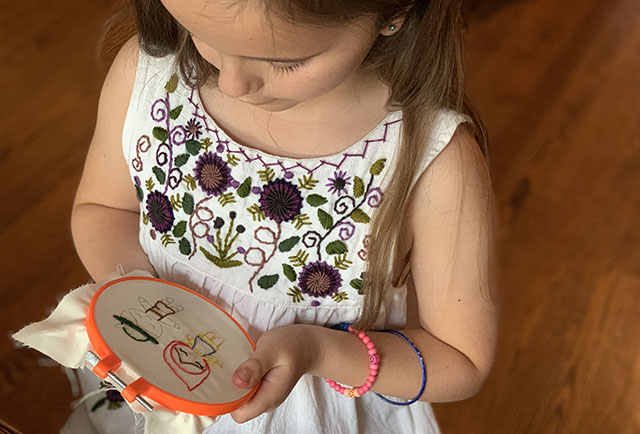
We started with big needles and colorful thread. The kids stitched patterns onto old fabric scraps, and their pride when they finished was priceless. It’s calm, focused fun that teaches patience and creativity. I even used some of their designs to patch up children’s clothing, which made them feel proud that their handiwork had a real purpose.
32. Bug Investigation
Provide magnifying glasses and containers for collecting (and releasing) bugs. My son became obsessed with rolly-pollies. He created a habitat and observed them daily. This led to a genuine interest in biology.
33. Flying Kites
Windy days become exciting events. Teaching kids to launch and control kites builds patience and provides the thrill of controlling something soaring above them.
34. Tree Climbing
Find sturdy, low-branched trees appropriate for your child's ability. Supervise closely but let them figure out the climbing challenge. The confidence boost is real. My daughter's face when she reached a new height was pure pride.
35. Garden Work
Give kids their own plot or containers to plant seeds, water, weed, and harvest. Fast-growing plants like radishes or cherry tomatoes work best. The responsibility and pride when they eat something they grew is powerful.
36. Kitchen Science Experiments
Baking soda volcanoes never get old. Make slime, create color-mixing experiments with milk and food coloring, watch how oil and water separate, or grow crystals with sugar water. Most experiments use household items you already have. These are parenting hacks for turning chores into fun games, and they make learning feel like play while keeping kids curious and engaged.
37. Sink Or Float Predictions
Gather random household items. Kids predict whether each will sink or float, then test their hypotheses in a tub of water. This teaches scientific method without feeling like a lesson.
38. Building Challenges
Provide materials like toothpicks and marshmallows, straws and tape, or Legos. Challenge kids to build the tallest tower, strongest bridge, or create something specific. Engineering thinking develops through play.
39. Magnet Exploration
Give kids magnets and random household items to test. Which things are magnetic? Why? They can create magnet wands, play with magnetic slime, or paint with magnets on paper.
40. Reading Time
Obvious but essential. Create a cozy reading nook. Visit the library weekly and let kids choose their own books. My reluctant reader transformed when I stopped forcing "appropriate" books and let him read graphic novels.
41. Story Dice
Make dice with pictures or words on each side. Roll and create stories based on what comes up. Or use story cards where kids draw cards and weave them into narratives.
42. Audio Storytelling
Kids create their own podcasts or radio shows using a recording device. They write scripts, practice delivery, and learn about storytelling structure. My kids made a "news show" about neighborhood happenings.
43. Letter Writing
Find a pen pal maybe a grandparent, cousin, or friend from camp. Writing actual letters that go through the mail feels special. My kids fight over who gets to check the mailbox.
44. Rhyming Games
Create rhyming chains while driving or during dinner. Say a word, everyone takes turns rhyming. When you run out, start with a new word. This builds phonological awareness without feeling like work.
45. Jigsaw Puzzles
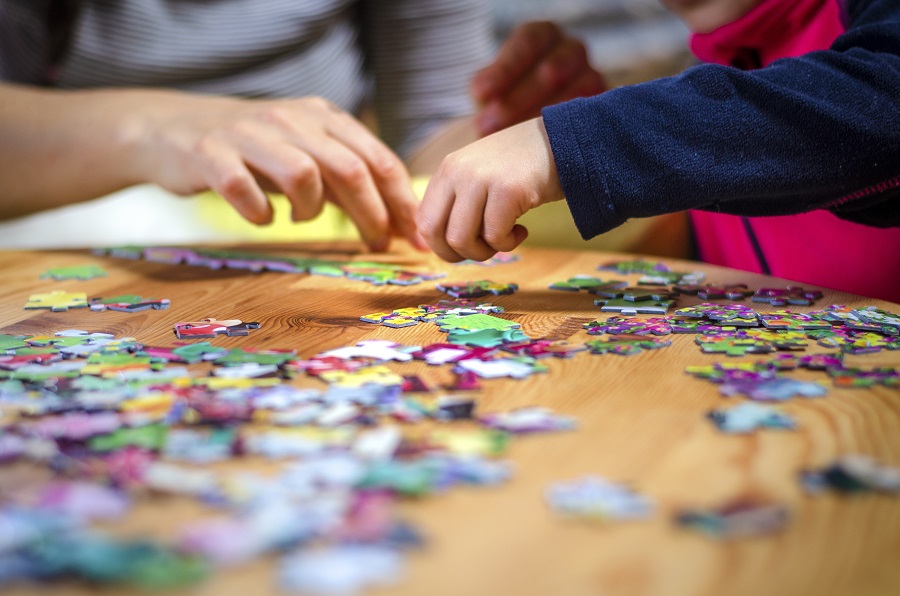
Start with puzzles just below your child's frustration level, then gradually increase difficulty. Leave partly completed puzzles out so kids can work on them across multiple days. The spatial reasoning and persistence required builds crucial skills.
46. Board Games
Games like checkers, chess, Uno, Connect 4, Sorry, Clue, Scrabble, and Monopoly work across ages and teach strategy, turn-taking, and good sportsmanship. Game night became our Friday tradition, and I've learned more about my kids' thinking through games than through most conversations.
47. Brain Teasers
Age-appropriate riddles, logic puzzles, and "would you rather" questions get kids thinking critically. We keep a riddle book in the car for entertainment during drives.
48. Sorting And Categorizing
Give younger kids random objects to sort by color, size, type, or any criteria they invent. Older kids can organize collections, whether it's rocks, trading cards, or books.
49. Measuring Race (Estimate Vs Real)
We guess how long the table or couch is, then measure it with a tape. The kids laugh when their guesses are way off, but they learn quickly. It’s a fun mix of movement, math, and teamwork.
50. Chalk Art Hopscotch
We draw bright hopscotch patterns on the driveway and add silly challenges like “spin twice” or “hop backwards.” The kids stay active, creative, and giggly for hours. It’s simple outdoor fun that never gets old.
51. Learn A New Dance Together
We pick a fun song and learn the steps as a family. There’s always laughter, missed moves, and happy chaos. It’s a great way to bond, move, and let go of stress.
52. Mini Obstacle Course
We set up a backyard course with chairs, ropes, and boxes. The kids crawl, jump, and race to beat their best time. It’s perfect for burning energy and building confidence through play.
53. Mystery Boxes
Put an object in a box. Kids can ask yes/no questions to figure out what's inside. This develops deductive reasoning and strategic questioning skills.
54. Restaurant Play
Kids set up a restaurant with a menu, take orders, prepare food from play kitchen or real sandwiches, and serve customers. Money skills and hospitality practice happen naturally.
55. Doctor's Office
A toy medical kit plus stuffed animals or family members as patients. Kids diagnose illnesses, write prescriptions, and perform check-ups. My son's gentle bedside manner with his teddy bear patients melts my heart.
56. School Play
Someone is the teacher, someone is the student. They take turns teaching lessons, doing assignments, and managing classroom behavior. Watching kids play school reveals how they experience their real school day.
57. Space Mission
The couch becomes a spaceship. Kids become astronauts exploring planets (different rooms), encountering aliens (siblings), and reporting findings back to mission control (parents).
58. Swimming
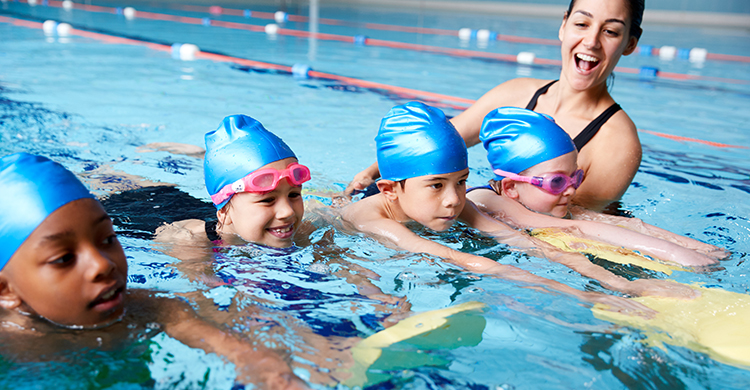
A few hours at the pool always works wonders. Kids burn energy, practice new skills, and cool off at the same time. Watching them gain confidence in the water is one of those small but proud parenting moments.
59. Block Cities
Use blocks, Legos, boxes or anything else, and add roads, cars, people, animals, trains, and other toys. The city grows daily, and kids invent elaborate stories about what happens there.
60. Box Creations
Empty boxes become anything. Robots, cars, houses, computers, or abstract sculptures. Give kids tape, markers, and scissors, then resist the urge to direct them.
61. Lego Challenges
Beyond free building, create specific challenges. Build something that can hold a book. Create the tallest tower possible. Design a vehicle that can roll down a ramp. Constraints spark creativity.
62. Dollhouse Scenarios
Whether elaborate store-bought dollhouses or cardboard box versions, kids create entire families and storylines. My daughter's doll families have complex relationship dynamics that would make a soap opera writer proud.
63. Miniature Worlds
Create environments in shallow containers. Dinosaur land in a tray with sand and rocks. Fairy garden with moss and small toys. Ocean world with blue paper, fish, and shells. These contained worlds focus on imaginative play.
64. Action Figure Adventures
Those superhero or character toys? They go on elaborate adventures created entirely in kids' minds. My son's Marvel figures have been on more missions than I can count.
65. Card Games
Uno, Go Fish, Old Maid, Memory, War. Start simple for younger kids, then graduate to games like Rummy or Hearts for older kids. Card games teach rules, strategy, and handling both winning and losing.
66. Charades
Act out movies, books, animals, or occupations without speaking. Teams guess within time limits. This develops communication beyond words and gets kids moving and laughing.
67. Red Light Green Light
A caller says "green light" for movement, "red light" to freeze. Anyone caught moving during red light goes back to start. Simple, active, and works for ages 3-10.
68. Hot Potato
Pass an object while music plays. When music stops, whoever holds it is out. Last person wins. Or try the kind version where nobody's out just silly consequences like doing a dance move.
69. Telephone Game
Whisper a message down a line of people. Last person says the message out loud. How much did it change? This demonstrates how information gets distorted and creates lots of laughs.
70. Family Talent Show
Everyone prepares an act song, dance, joke routine, magic trick. Create tickets and programs. Record performances to watch later. The preparation and performance build confidence and family bonding.
71. Cloud Watching
Lie outside on blankets looking at clouds, finding shapes, making up stories about them. This teaches kids that doing "nothing" can actually be something a valuable skill in our overstimulated world.
72. Drawing Or Doodling
Provide sketchbooks and pencils. There are no requirements or judgment. Let kids draw whatever comes to mind. This free-form creativity happens best when kids are alone with their thoughts.
73. Painting With Nature (Leaves, Sticks, And More)
We went outside and picked leaves, sticks, and flowers. The kids dipped them in paint and pressed them on paper like stamps. The shapes and colors were beautiful, and they loved how each print looked different. It was messy, quiet fun that connected them with nature.
74. DIY Pizza Bar
Everyone gets their own dough and toppings, cheese, sauce, veggies, whatever they like. My kids love making “crazy” pizzas, and I love that dinner becomes playtime. It’s hands-on, creative, and nobody asks for a screen while the pizzas bake.
75. Knead Bread Dough
Kneading doughbecame one of our favorite slow moments. The kids love squishing and folding it, watching it rise, then tasting the warm bread later. It’s simple, calming, and feels like magic every time.
76. Plan And Make Dinner As A Family
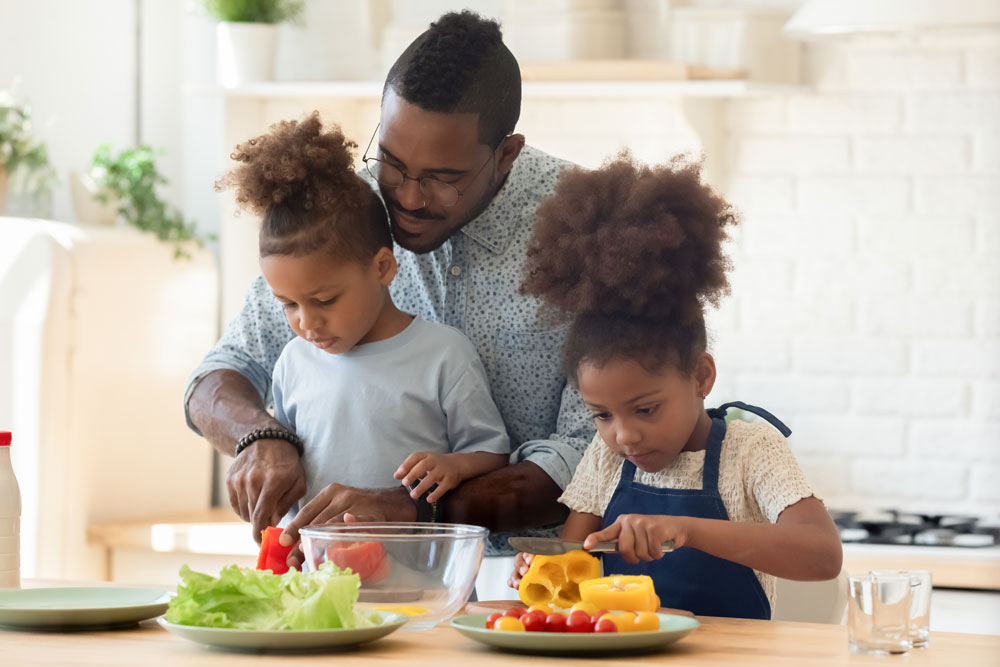
We pick a recipe together, make a list, and everyone helps even the little ones. It turns dinner into teamwork instead of a rush. The best part is seeing their faces when we sit down to eat something they helped make.
77. Plant A Pollinator Garden
We planted flowers that bees and butterflies love marigolds, lavender, zinnias. The kids enjoy digging, watering, and spotting new visitors each week. Watching their plants grow makes them feel proud and connected to nature.
78. Go To A Zoo Or A Museum
A trip to the zoo or museum is the perfect screen-free adventure. My kids ask endless questions, explore, and learn without even realizing it. Every visit feels like a mix of fun and discovery.
79. Make A Picture Collage From Old Magazines
We cut out pictures and words from old magazines and glued them onto a big sheet. The kids make stories with their collages, and I love hearing what each image means to them. It’s simple and sparks great conversations.
80. Make Sock Puppets
Old socks, buttons, and yarn turned into a puppet family. The kids made up voices and stories and put on a mini show. It kept them laughing for hours no screens needed.
81. Finger Knit
All you need is yarn and fingers. It took my kids a few tries, but soon they were making tiny scarves and bracelets. It’s quiet, focused fun that builds patience and confidence.
82. A-Z Nature Hunt
Grab a notebook and look for something in nature for every letter of the alphabet acorn for A, butterfly for B, cloud for C. Kids love shouting out their discoveries, and suddenly a simple walk feels like an exciting adventure.
83. Play Bug Bingo
Draw a quick bingo sheet with bugs instead of numbers ants, ladybugs, worms, beetles. Head outside to find each one and mark it off. It’s amazing how much kids learn about tiny creatures when they’re having fun.
84. Head To A Local Pet Shop
A trip to the pet shop is always full of surprises. Watching colorful fish, fluffy rabbits, or playful kittens keeps kids curious and engaged. It’s an easy, free outing that often sparks sweet conversations about caring for animals.
85. Write A Bucket List Bingo And Tick It Off
Make a fun list of simple goals bake cookies, camp in the backyard, or watch the sunset. Each time you complete one, tick it off together. It gives kids something to look forward to and teaches them the joy of completing little adventures.
86. Make Pancakes
Few things beat the smell of pancakes on a weekend morning. Let the kids stir the batter, flip a few (even the messy ones), and decorate with fruit or syrup. It’s playful, delicious, and full of giggles.
87. Make Mocktails
Turn your kitchen into a mini café with juice, fruit slices, and ice. Kids love mixing their own colorful drinks and giving them fun names like “Tropical Twist” or “Rainbow Splash.” Perfect for sunny afternoons or family movie nights.
88. Learn Tennis Skills
Pick up a few rackets and head to a local court or open park. Start with simple rallies, cheering every successful hit. It’s a great exercise and helps build coordination plus it’s pure joy when someone finally hits a long rally.
89. Attend A Sports Event
Local sports games are full of energy and excitement. Cheering from the sidelines, eating snacks, and joining the crowd gives kids a sense of connection. It’s a lively, screen-free way to spend a family afternoon.
90. Learn A Poem And Recite It
Pick a short, fun poem and practice it together until everyone knows the words. Add a little drama to make it exciting, funny voices, hand gestures, and even costumes. Kids feel proud when they perform it, and it quietly builds memory and confidence.
91. Let The Kids Take Over The Kitchen
Hand over the apron and let them plan the menu, set the table, and do the cooking (with a bit of help, of course). It doesn’t have to be fancy sandwiches, pasta, or smoothies work just fine. Kids love the responsibility, and dinner feels like a team celebration.
92. Learn To Fold Paper Airplanes
All you need is a stack of paper and a bit of patience. Try different folding styles, decorate them with markers, and then race them across the room or garden. It’s a mix of creativity, physics, and friendly competition all in one simple activity.
93. Build A Bee Hotel
Collect bamboo sticks, small tubes, or drilled wood pieces and bundle them together. Place the little “hotel” in a sunny corner of the garden to give bees a safe home. It’s a small project with a big reward. Kids learn about pollinators while helping nature thrive.
94. Go To Libraries And Bookstores
A trip to the library or local bookstore feels like a mini adventure. Let the kids choose their own books even comics count. Curling up to read afterward turns it into quiet, screen-free bonding time.
95. Play Hide And Seek
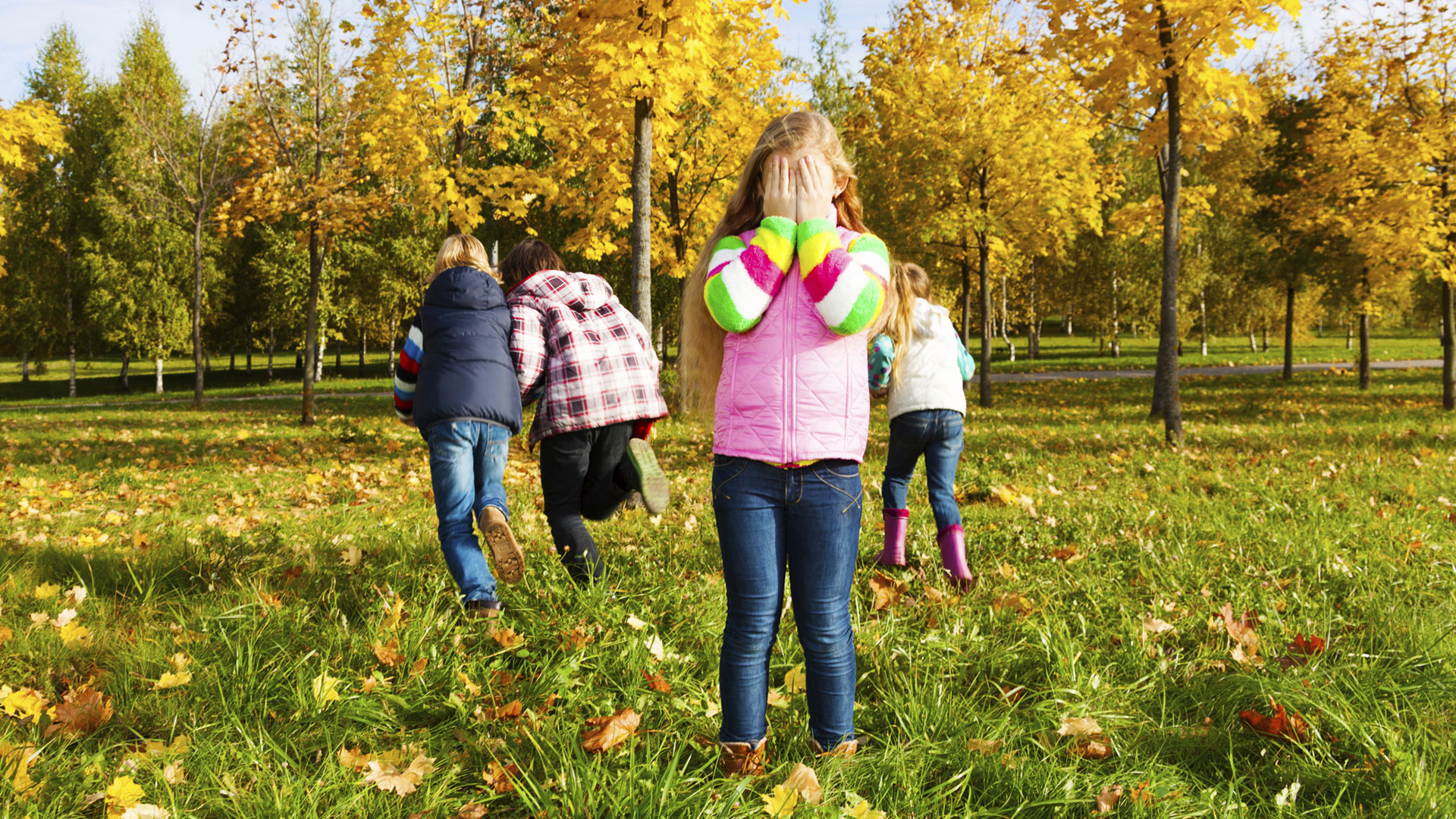
Simple, timeless, and full of laughter. Whether indoors or outside, hide and seek never gets old. It teaches patience, awareness, and a bit of strategy plus, it’s pure joy watching the kids try not to giggle in their hiding spots.
96. Write A Card Or Letter To A Friend
Grab some paper, markers, and stickers, and let your kids write a note or draw something for a friend. It doesn’t have to be perfect what matters is the thought. Sending or hand-delivering it gives them a sense of connection and kindness.
97. Learn The Lyrics To A Favorite Song
Pick a song everyone loves and turn it into a sing-along challenge. Play it a few times, pause to practice tricky lines, and then perform it together. It’s a fun way to boost memory, rhythm, and confidence and there’s always laughter involved.
98. Playing Basketball
A quick game of basketball always brings out energy and teamwork. Even just shooting hoops together helps kids practice focus and coordination. It doesn’t have to be serious a few friendly rounds are enough to get everyone moving and laughing.
99. Visit Grocery Stores
Turning grocery shopping into a learning trip works wonders. I let the kids help pick fruits, compare prices, or find ingredients from a recipe. It makes errands feel like an adventure and teaches responsibility along the way.
100. Sensory Bins
Sensory bins are lifesavers on quiet afternoons. I fill a box with rice, beans, or sand, then hide small toys inside. Kids scoop, pour, and dig it keeps their hands busy and their imaginations active.
101. Spa Day At Home
We love turning our living room into a “spa.” Warm towels, cucumber slices, gentle music even a simple foot soak makes it feel special. It’s calm, playful, and a great way to slow down together.
102. Water Balloon Games
Nothing beats a water balloon fight on a hot day. We play toss-and-catch or set up little targets in the yard. It’s messy, exciting, and the laughter that follows makes every splash worth it.
103. Go Bananas With Shaving Cream
A can of shaving cream can turn any table into a playground. Kids draw shapes, write letters, and swirl colors together. Cleanup is easy, and they love the soft, foamy texture it’s sensory play at its best.
104. Make A Toy-Washing Station
Setting up a toy-washing station is pure fun. A few buckets of soapy water, sponges, and old towels, and kids turn into little cleaners. They scrub, rinse, and take pride in making their toys “sparkle” again.
Why Screen-Free Time Matters More Than You Think
I used to think screen time was only about keeping kids away from bad content. Then I started reading about what screens really do to a child’s brain and it changed how I see technology at home. These are things every parent must know, because understanding how screens affect attention, emotions, and creativity completely changes the way we guide our kids’ habits.
The Hidden Costs Of Too Much Screen Time
What surprised me most was how much time kids spend on screens. Children under two average about an hour a day. Older kids spend more than two hours. But the real problem isn’t just the time; it’s what they miss while staring at screens.
When my kids are glued to tablets, they’re not building, creating, or learning how to handle boredom. Those small moments the messy, creative ones are what help kids grow.
Screens train the brain to expect instant fun. I noticed my son getting frustrated when something wasn’t exciting right away. Real life doesn’t work like that.
Their physical health also changed. They stopped going outside as much. Less sunlight, less movement, and fewer chances to just be kids again.
What Happens When Kids Unplug
The first week we cut down on screens was rough. Complaints, whining, and “I’m bored!” on repeat. But about ten days later, something shifted. My daughter picked up a book. My son built a Lego city instead of watching Lego videos.
Their creativity came back. They laughed more. They worked together. I realized how much imagination had been buried under screen time.
Without screens, they had to solve problems, talk to each other, and figure things out. My son spent hours trying to make a pulley system with string and a bucket. He failed, tried again, and finally made it work. That’s the kind of learning you can’t get from a tablet.
Finding Your Family’s Balance
I’m not against technology. My kids still watch shows and play games. The difference is, screen time is now a choice, not the default.
Some days we use screens more than others, and that’s okay. On sick days or long car rides, screens help. The goal isn’t perfection it’s balance.
Every family’s balance looks different. Maybe start with one screen-free hour after school. Or try screen-free mornings on weekends. Little steps matter.
I also had to face my own screen habits. My kids notice when I scroll during dinner or check emails while reading to them. If I want them to have healthy habits, I have to model them too.
A Simple 5-Step Plan To Reduce Screen Time
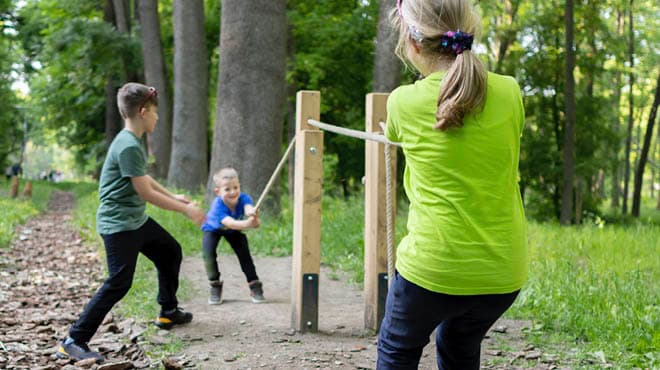
When I first tried to cut screens, I made every mistake. I took the tablet away mid-video and caused chaos. Here’s what actually worked.
1. Watch And Understand Current Screen Habits
Check how much time your kids spend on screens each week. Just observe for a few days. When are they using screens most mornings, after school, or during dinner prep?
I realized screens weren’t the problem; they were a solution for boredom or when I was busy. Once I knew the triggers, I could plan better activities instead.
2. Set Realistic Goals
Don’t try to go from four hours a day to one overnight. I reduced screen time by 30 minutes each week. Slow changes worked better.
Younger kids need more reminders and structure. Visual timers helped us a lot they could see when time was almost up.
3. Create Screen-Free Zones And Times
We made simple rules. No screens at the dining table for anyone. No screens in bedrooms. And no screens for the first hour after school.
It was weird at first, but then we started talking more, playing more, and sleeping better. My daughter even opened up about her day during dinner something that never happened before.
4. Prepare Fun Alternatives
The worst thing you can do is take screens away without a plan. Kids need something else to do.
I set up small play zones around the house a craft corner, a Lego area, and an outdoor bin with chalk and bubbles. I rotated toys every week to keep things fresh.
We also made a “bored jar.” Each stick had an activity written on it. When they said “I’m bored,” they picked a stick. It worked like magic.
5. Stay Consistent When They Resist
The first screen-free weekend was full of tears. My son told me I was “ruining his life.” I stayed calm and reminded him, “I know you’re upset, but we’ll use screens later. Let’s do something else for now.”
The key is not giving in. Once I gave in, they learned whining worked. When I stayed consistent, they eventually adjusted.
Here’s what helped:
- “I’m bored.” → “That’s good. Boredom helps you get creative.”
- “There’s nothing to do.” → “Check the activity corner or the bored jar.”
- “Everyone else gets more screen time.” → “Every family is different. This is what works for us.”
After about two weeks, things got easier. They stopped asking all the time. Screen-free time became normal, and our home felt lighter, calmer, and more connected.
People Also Ask
What To Do With Kids Without Screen Time?
A great way to reduce excessive screen time is by encouraging your kids to engage in tech-free projects that are both fun and creative, like reading a book, trying an indoor obstacle course, or playing a board game.
Can Screen Addiction Be Reversed?
Lifestyle Changes. Lifestyle changes often include limiting screen time and searching for alternative ways to fill free time, specifically ones that do not involve technology. Finding new hobbies and interests can help reduce dependence on technology.
How Much Screen Time Is Too Much For Kids?
Experts like the American Academy of Pediatrics suggest no screens (except video calls) for kids under 2, about 1 hour a day for ages 2-5, and balanced, consistent limits for older kids. What matters most is leaving time for sleep, exercise, and real-world play.
What Are Some Outdoor Screen-free Activities For Kids?
Outdoor ideas include biking, nature walks, gardening, playing ball games, or even visiting the zoo. Being outside helps kids release energy and stay connected with the world around them.
Final Thoughts
I used to think going screen-free would be a constant battle, but it turned out to be one of the best decisions for our family. Once we started filling our days with real play and hands-on fun, my kids became more creative and calmer.
We laughed more, argued less, and I saw them discover things they’d never noticed before. It reminded me that kids don’t actually need much just time, space, and a bit of encouragement.
How to keep kids busy without screens isn’t about strict rules or cutting out technology completely. It’s about finding a healthy balance that fits your family. Even small breaks from screens can spark big changes. If you try a few of these ideas, you might be surprised at how quickly your kids rediscover the joy of simple, screen-free play.