Parenting Hacks For Turning Chores Into Fun Games | Making Memories Out Of Messes
The true magic of using parenting hacks for turning chores into fun games is that you're not tricking your kids; you're speaking their language. You are prioritizing connection and creativity over conflict.
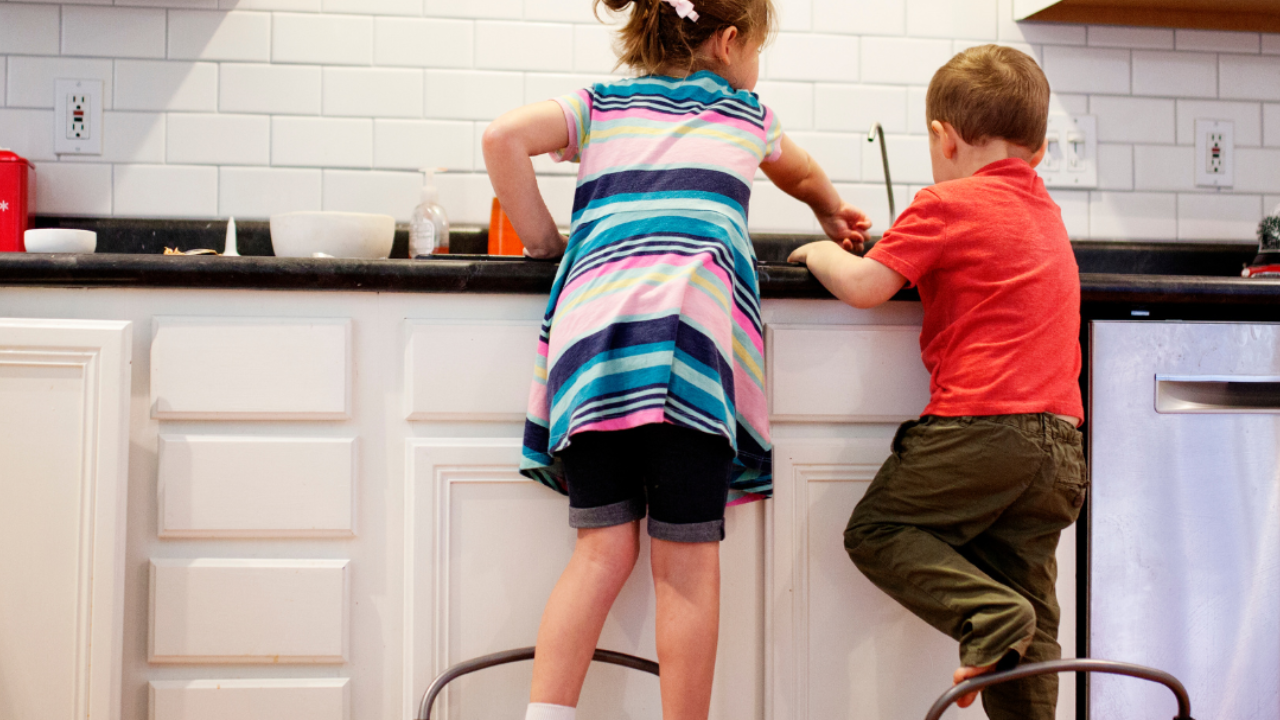
Feb 26, 2025
Making Chores Fun: Why Games Change Everything
I used to dread chore time in our house. The nagging, the eye rolls, the battles over simple tasks like putting away toys or helping with dishes, it was exhausting for everyone involved. Then I discovered something that completely transformed our family dynamic: turning chores into games.
What I've learned through years of parenting and observing child development is that games tap into something fundamental in children's psychology. They transform work into play, obligation into opportunity, and resistance into enthusiasm. When I started approaching chores as games rather than tasks, I watched my kids go from reluctant participants to eager volunteers.
The secret isn't just about making things "fun", it's about understanding how children's minds work. Kids are naturally wired to learn through play, and when we align household responsibilities with their developmental needs, magic happens. Instead of fighting against their nature, we work with it.
The Psychology Behind Chore Games That Work
Through my experience, I've discovered that successful chore games tap into three core psychological drivers that motivate children. First is autonomy, children need to feel they have choice and control in how they approach tasks. When I present chores as games with multiple "levels" or approaches, kids feel empowered rather than controlled.
Second is competence; children thrive when they can see progress and achievement. The benefits of completing household chores appear to transfer beyond managing day‐to‐day living.
Chore engagement may improve executive functions, as engagement in chores requires individuals to plan, self‐regulate, switch between tasks, and remember instructions. This cognitive development happens naturally when chores are structured as progressive challenges, mirroring the satisfaction children get from solving a complex logic challenge or completing puzzle games.
Third is connection; children want to feel valued and included in family life. Doing chores is important for a child's development. They help kids learn life skills and responsibility. Doing chores also teaches kids how important community is, whether it's their family, their school, or their neighborhood. They can boost confidence, too.
What I've found most powerful is that games naturally build intrinsic motivation. While reward charts and allowances can work short-term, they often create dependence on external validation. Games, however, make the activity itself rewarding, leading to sustainable long-term habits.
11 Ways To Turn Chores Into Fun Games
1. Make Sorting The Laundry A Memory-Matching Game
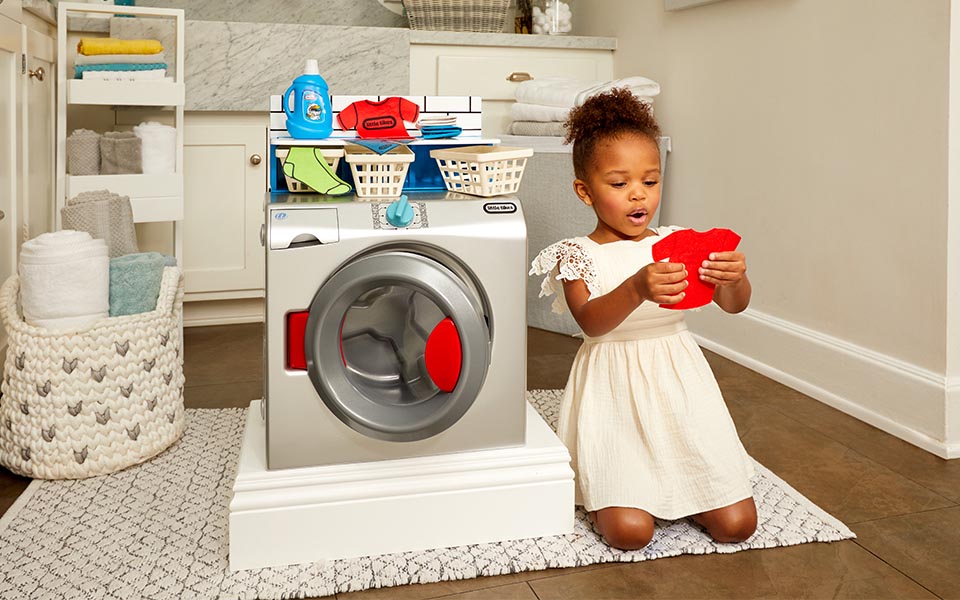
Memory matching games are fun for kids of all ages and can be played over and over again. You can turn the chore of sorting laundry into a memory-matching game by asking your kids to sort clothes in different ways.
For example, they can group laundry by color, sort clean clothes by which family member they belong to, or separate items based on which room in the house they go to. Try using a different colored laundry basket or hamper for each person in your home.
Encourage your kids to come up with their own creative ways to sort the laundry, too. Younger children can play their own version of this game using the First Washer-Dryer. One great bonus: when they play with the First Washer-Dryer, they can't accidentally lose one of your real socks.
2. Play Broom Hockey
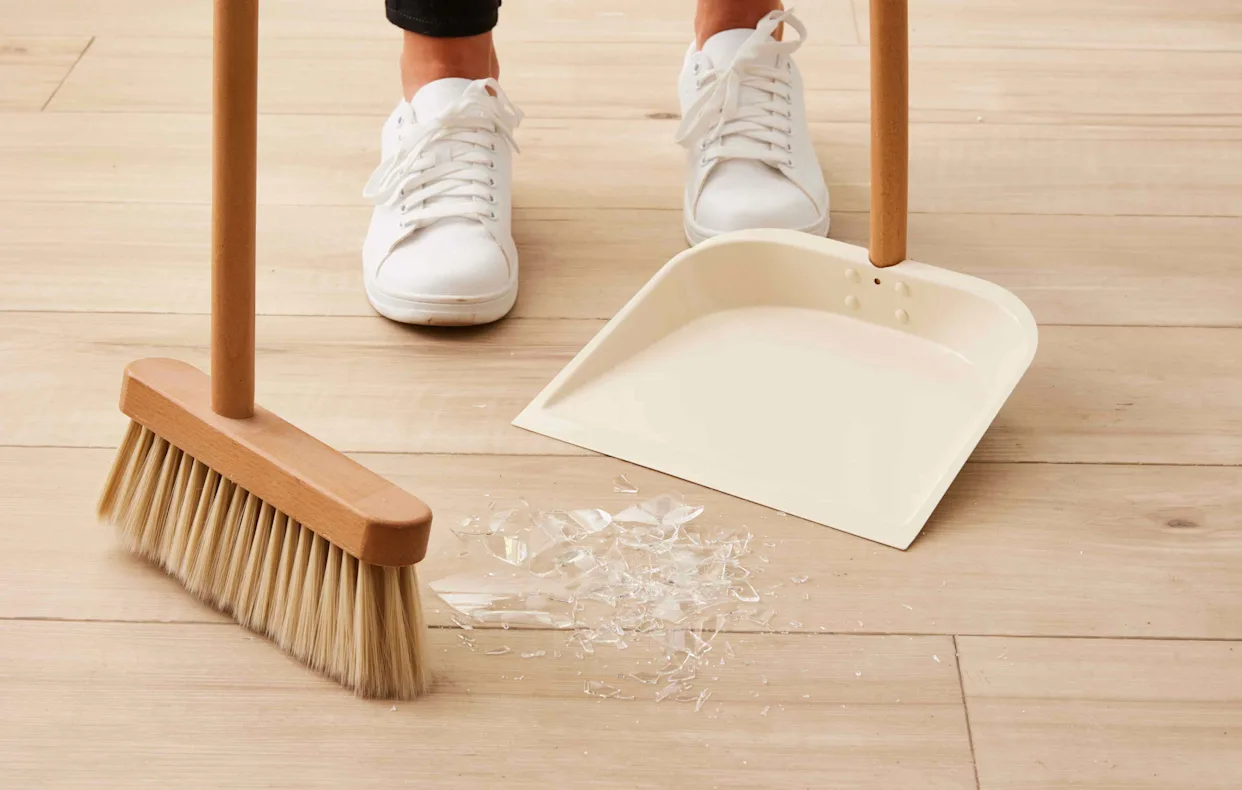
If your kids enjoy sports, especially if they love hockey, you can turn sweeping the floor into an indoor version of hockey. Set up a "goal" on the floor using your dustpan, and have your kids try to sweep dust bunnies into it. Keep score by giving them a point for every dust bunny they successfully sweep into the dustpan.
3. Rake It To The Next Level
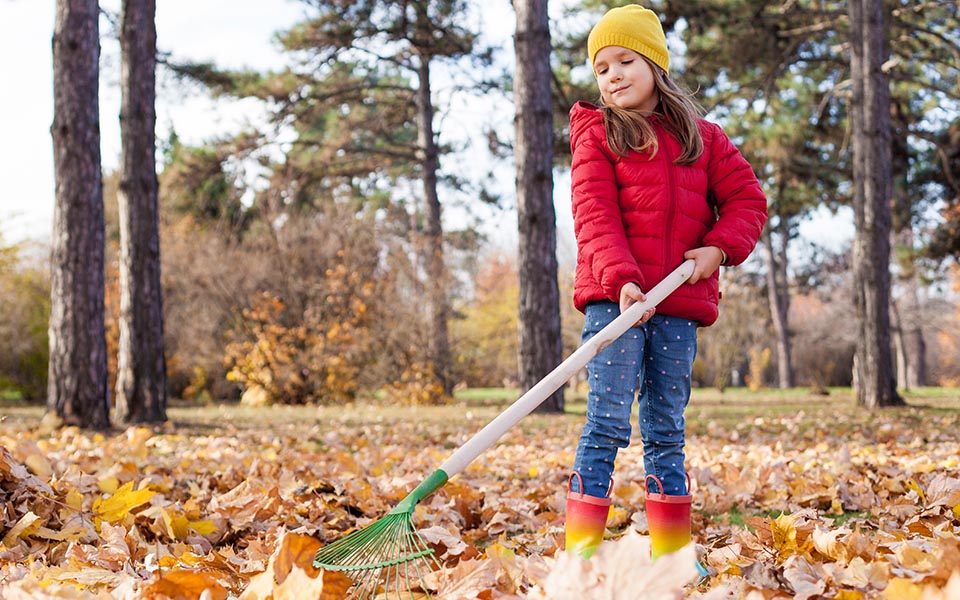
If your yard is covered in leaves, which it probably is since it's fall, give each person in your family their own rake and see who can gather the most leaves in five minutes. Once the time is up, you can decide who won by weighing the leaves or comparing the size of each pile. Of course, everyone really wins because, after the contest, you can all jump into your leaf piles before you add the leaves to your compost bin.
4. Have A Recycling Relay Race

Make taking out the garbage, recycling, and yard waste more fun by turning it into a relay race for the whole family. The rules are simple: no one is allowed to move while they're holding a bag of recycling, trash, or yard waste.
To get the job done, your family will need to form a line and pass the bag from one person to the next, starting, for example, from the kitchen garbage can all the way to the outdoor bins.
When your kids aren't holding a bag, they have to run from the back of the line to the front so they can take their turn again. Games like this help kids learn to work together and think of clever ways to solve problems.
5. Race To Clean The Dishes
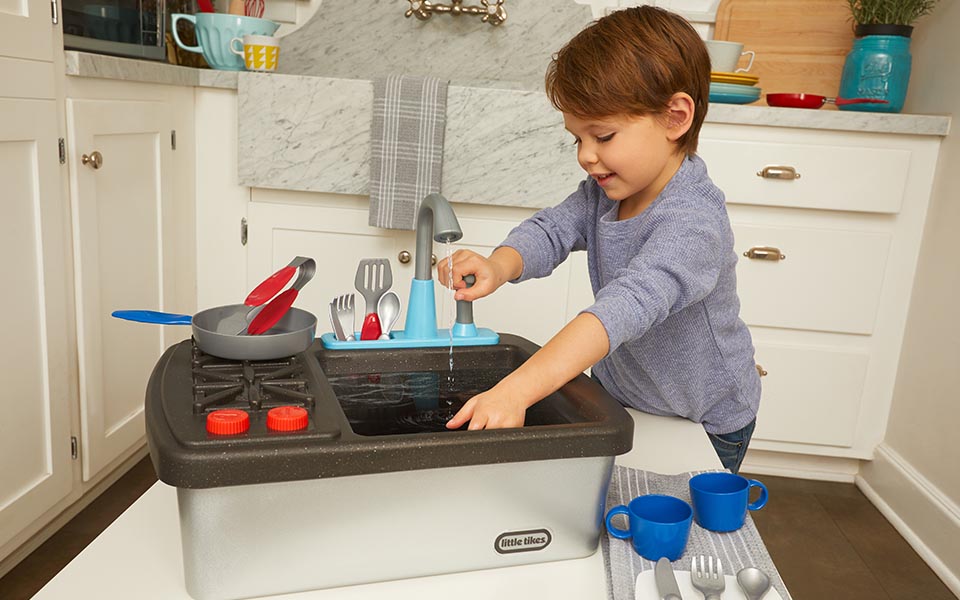
Get ready, get set, scrub! Turn dishwashing into a race by challenging your kids to clean the dishes as quickly as they can. Use a kitchen timer or your phone to track how long it takes them to wash, dry, and put away the dishes each day.
Write down their best times on the fridge or on their First Fridge so they can try to beat their own record every night. Helpful tip: let younger kids use the First Sink & Stove so they don't accidentally break your nice plates or silverware.
6. Cleanup Time: The Musical
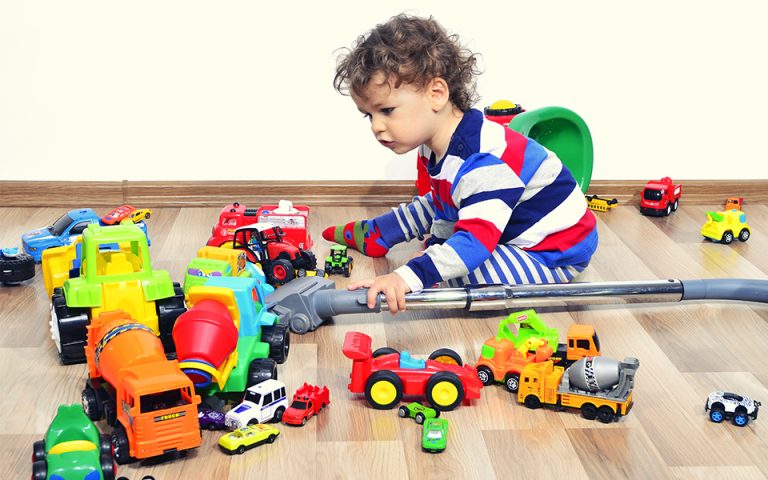
If your kids tend to leave toys all over their bedroom, the living room, or let's be honest, the whole house, pick a special cleanup song and challenge them to put all their toys away before the song ends. For older kids, let them choose their own song or help create a special cleanup playlist. If it helps, give your kids a checklist of the toys they need to put away, or label where each toy belongs in their toybox so they know exactly where everything goes.
7. Play Dust Busters
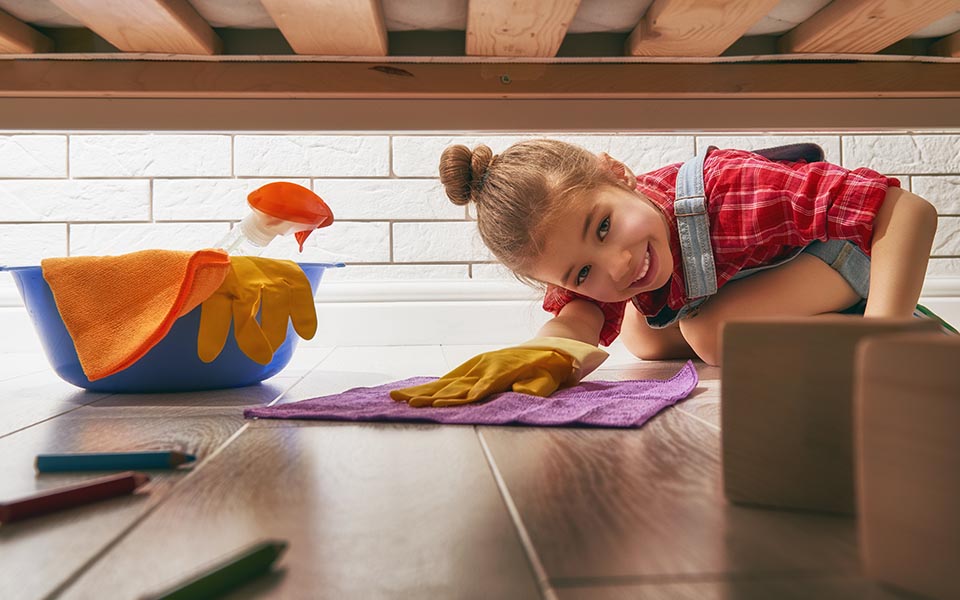
Kids often enjoy trying to do things better than grown-ups. Turn dusting into a game called "Can You Dust Better Than Me?" The goal is for your kids to find spots you missed while cleaning. This helps them think creatively and look closely at things. Kids actually have an advantage in this game because they're closer to the ground and can see dust in places adults might overlook. Give your child a gold star or a little extra screen time for every dusty spot they find that you didn't catch.
8. Play 'The Floor Is Lava' While Making The Bed
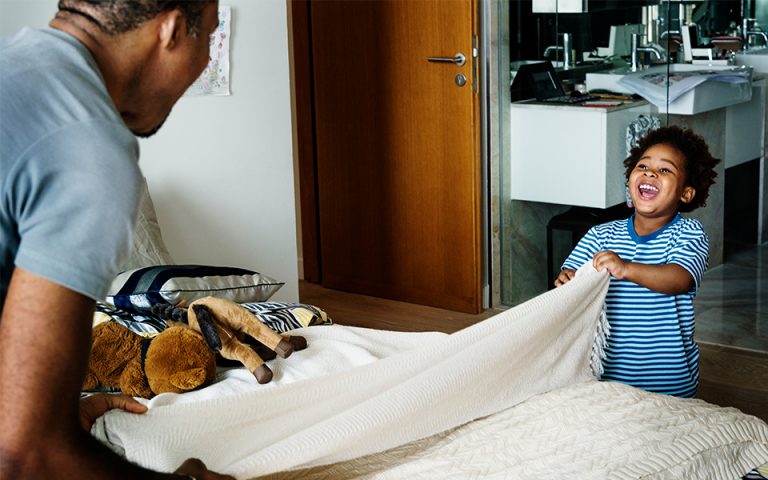
Give the classic game "The Floor is Lava" a new twist by asking your kids to make their bed without stepping on the floor. They can try standing on the bed while they smooth out the sheets and blankets, or they can use pillows and folded blankets as "stepping stones" around the bed. They can even come up with their own clever ways to avoid touching the floor while they tidy up their bed. Extra points if they also have to change the sheets!
9. Make Cleaning Out The Fridge Into A Scavenger Hunt
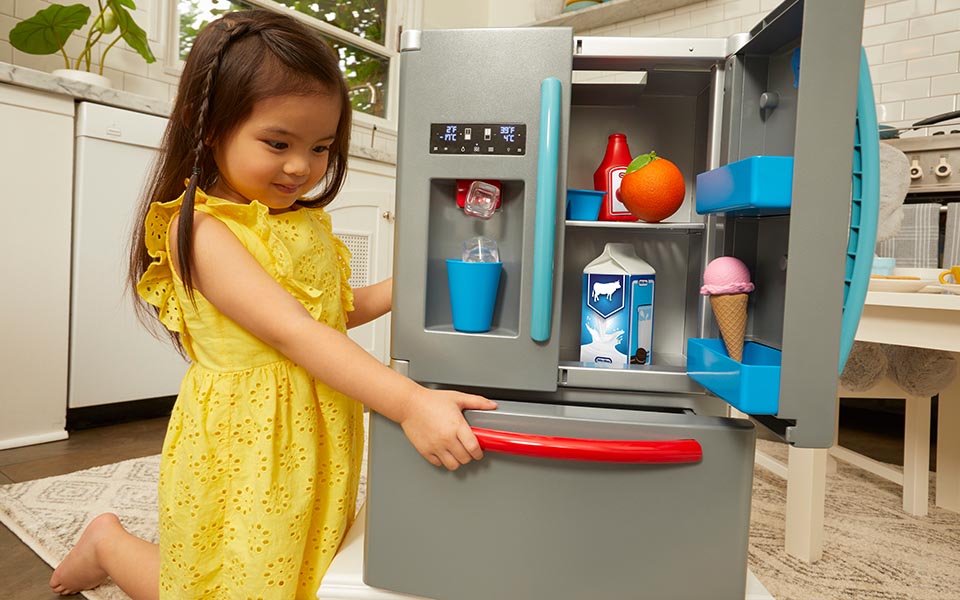
If your kids are learning to read or can already read dates, you can turn cleaning out the fridge and freezer into a kind of scavenger hunt. Ask them to check the expiration dates on all the bottles, containers, and packages in the fridge and pull out anything that's past its date. Just be careful, maybe don't let them open the lids first, in case something smells bad! Or, even better, let them do this scavenger hunt using the First Fridge instead. We can promise you that the First Fridge definitely doesn't have anything smelly inside it.
10. Make Dinnertime Into Rhyme Time

This simple technique transforms a repetitive task like feeding pets or preparing food into an engaging linguistic game, appealing directly to a child's love of language, rhythm, and silliness. Rhyme Time not only keeps their focus on the task but also provides fantastic benefits for early literacy, auditory processing, and vocabulary development. By making the physical chore an extension of a fun, low-pressure word puzzle, the rhythmic nature of rhyming actually helps children remember the steps, turning routine memory into musical memory.
11. Musical Counter Cleaning
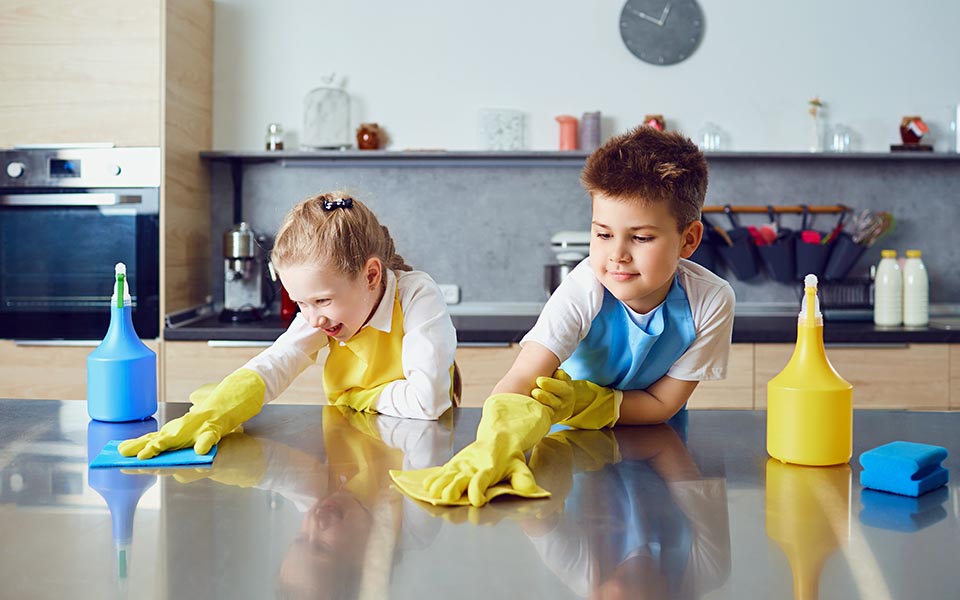
If your kids love playing Musical Chairs, try turning wiping down counters, appliances, and the First Oven into your own version of the game. Mix up a safe cleaning spray using vinegar and water so your kids have something gentle to use on surfaces around the house.
Then, play a song and have everyone start cleaning. When the music stops, everyone must freeze and stop cleaning immediately. If someone keeps moving after the music stops, they're "out" for that round, though we hope they keep helping anyway! The person who wins each round gets to choose the next song to play.
15 Proven Games To Transform Any Chore
Speed Challenge Games
- The Beat the Clock Game: The Beat the Clock Game has become our family favorite for quick tidying. I set a timer for 10 minutes and challenged my kids to see how much they could accomplish before it went off. The competitive element keeps them moving, and the time limit makes even big messes feel manageable.
- Lightning Round Laundry: Lightning Round Laundrytransforms folding clothes into an exciting race. I sort clothes into piles and see who can fold their stack fastest while maintaining quality. The winner gets to pick tomorrow's breakfast or choose the next movie we watch together.
Music-Based Games
- Freeze Dance Cleanup: Freeze Dance Cleanupturns tidying into a dance party. I play upbeat music while the kids dance and clean, then when I pause the music, everyone freezes in place. We continue until the room is spotless. The rhythm keeps energy high and prevents the task from feeling monotonous.
- Song Challenge Dishwashing: Song Challenge Dishwashing works perfectly for older kids. They have to finish loading the dishwasher before their favorite song ends. I've seen kids develop incredible efficiency this way, and they often request specific songs that match their working pace.
Role-Playing Adventures
- House Detective: transforms dusting and organizing into a mystery game. I hide small objects around rooms before cleaning time, and kids have to find all the "evidence" while dusting surfaces and organizing shelves. They love the investigative aspect and take pride in their thorough work.
- Restaurant Rush: makes kitchen cleanup exciting. Kids become restaurant staff racing to "serve customers" by putting away dishes, wiping surfaces, and organizing utensils. I often add dramatic commentary like a sports announcer to increase engagement.
Color And Category Games
- Rainbow Cleanup: works brilliantly for toy organization. Kids collect all red items first, then orange, then yellow, continuing through the rainbow. This breaks overwhelming messes into manageable, colorful chunks that feel like treasure hunts rather than work.
- Alphabet Organization: challenges kids to put away items in alphabetical order. Books, toys, clothes, and everything get organized while reinforcing letters and vocabulary. Older kids love the mental challenge, while younger ones enjoy the familiar pattern.
Team Competition Games
- Family Relay Races: Divide bigger jobs into smaller tasks that family members complete in sequence. One person gathers all the dirty clothes, the next sorts them, the third loads the washer, and so on. Everyone feels essential to the team's success.
- Room Makeover Challenge: works especially well with multiple children. Each kid gets a different area to transform within a set time limit, then we do a "reveal" like home improvement shows. The excitement of showing off their work motivates thoroughness.
Imagination-Based Games

- Superhero Training: frames chores as preparation for heroic duties. Vacuuming becomes "laser beam practice," organizing drawers becomes "secret headquarters preparation," and taking out trash becomes "saving the city from monsters."
- Time Travel Cleanup: lets kids pretend they're cleaning up after dinosaurs, pirates, or astronauts. The imaginative element transforms boring tasks into adventures, and kids often create elaborate stories while working.
Skill-Building Games
- Sorting Olympics: turns organizing into a competition with multiple events. Kids compete in speed-folding, precision-stacking, and accuracy-sorting challenges. This approach builds valuable life skills while maintaining the fun factor.
- Chef's Helper Challenge: makes kitchen tasks engaging by treating kids like apprentice chefs. They earn "chef points" for properly washing vegetables, organizing spices, or setting tables. The professional roleplay makes them take pride in their work.
- Garden Rescue Mission: reframes yard work as helping plants and flowers. Kids become "plant doctors" removing weeds, "rain helpers" watering flowers, or "leaf collectors" gathering yard debris. The caring aspect appeals to children's natural empathy.
Age-Specific Game Strategies
Toddlers (Ages 2-4)
At this age, I focus on simple, repetitive games that match their developmental stage. Toddlers and preschoolers are developmentally ready to engage in necessary household tasks. The key is keeping games short and celebratory.
- Matching Games: works perfectly for sock sorting or toy organization. I make it about finding "friends" that go together rather than boring categorization. Toddlers love the discovery aspect and feel proud when they make correct matches.
- Animal Sounds Cleanup: adds silliness that toddlers adore. We pretend to be different animals while picking up toys, hopping like bunnies to collect blocks, and crawling like bears to gather stuffed animals. The physical movement keeps them engaged longer than traditional cleanup.
- Singing Cleanup Songs: helps establish routines through repetition. I create simple melodies about putting toys away or helping in the kitchen. The predictable structure comforts toddlers while building positive associations with helpful behaviors.
School Age (Ages 5-10)
This age group responds well to more complex games that challenge their growing cognitive abilities. They can handle multi-step processes and enjoy earning recognition for their accomplishments.
- Point Systems and Levels: appeal to their sense of fairness and achievement. I create different difficulty levels for various chores, with harder tasks earning more points. Kids love tracking their progress and working toward new "ranks" or privileges.
- Strategy Games: work well for room organization or garage cleanup. Kids plan their approach, execute their strategy, then evaluate results. This develops critical thinking while accomplishing household goals.
- Teaching Opportunities: satisfy their desire to feel important. Older siblings become "coaches," helping younger ones with chore games. This builds leadership skills while reducing my supervision load.
Tweens And Teens (Ages 11+)
Older children need games that respect their growing maturity while still maintaining engagement. I've found success with challenges that feel more sophisticated than childish games.
- Efficiency Challenges: appeal to their developing logical thinking. We try different approaches to the same task, analyze what works best, and refine techniques. This builds life skills while satisfying their desire to optimize and improve.
- Real-World Connections: help them understand the value of household skills. I explain how laundry folding techniques transfer to professional organizations, or how kitchen cleanup builds restaurant industry skills. This future-focused approach motivates cooperation.
- Independence Projects: allow them to take ownership of entire household systems. One teen might become the "laundry manager" while another handles "kitchen operations." The responsibility feels grown-up while lightening the family workload.
Building Long-Term Chore Habits Through Play
I've learned that consistency matters more than perfection. We don't turn every chore into a game, but we maintain the playful approach often enough that it becomes our family's default attitude toward household work. Kids start expecting work to be engaging rather than dreading it.
- Rotating Game Types: prevents boredom and matches different moods or energy levels. Some days we need high-energy music games, other days quiet detective work fits better. Having a variety of approaches in our toolkit ensures we can always find something that works.
- Celebrating Progress: builds intrinsic motivation over time. Instead of focusing on rewards, I emphasize how accomplished they feel after completing challenges, how our family works better as a team, and how their skills are growing. This internal satisfaction becomes self-sustaining.
- Gradual Independence: allows games to evolve as children mature. What starts as highly structured parent-led activities gradually becomes child-initiated problem-solving. I've watched kids spontaneously create their own chore games when they encounter new tasks.
The transition from game-based motivation to natural helpfulness doesn't happen overnight, but it does happen. Children who grow up experiencing household work as collaborative, creative problem-solvingdevelop fundamentally different attitudes toward responsibility than those raised with traditional reward-punishment systems.
Troubleshooting Common Chore Game Challenges
Even the best game strategies sometimes hit obstacles. Here's how I've learned to navigate common problems that arise when implementing chore games.
- When Kids Lose Interest:This usually happens when games become too predictable or when the challenge level doesn't match their development. I combat boredom by introducing surprise elements, mystery boxes with new tools, unexpected twists in familiar games, or rotating leadership roles among family members.
- When Siblings Fight During Games:Competition can quickly turn destructive if not managed carefully. I've learned to emphasize team goals over individual winning, create different roles that suit different personalities, and always have backup cooperative activities ready when competitive games create tension.
- When Quality Suffers:Sometimes kids rush through tasks to "win" games without doing thorough work. I address this by building quality checkpoints into games, making precision part of the scoring system, and praising effort and technique as much as speed.
- When Younger Kids Can't Keep Up:Mixed-age game participation requires careful balance. I create different difficulty levels within the same game, assign age-appropriate roles, and ensure everyone has opportunities to succeed and feel valued for their contributions.
Frequently Asked Questions
At What Age Should I Start Using Chore Games?
I've successfully introduced simple chore games as early as 18 months old. Toddlers love putting toys in containers while singing songs or making animal noises. The key is matching game complexity to developmental stage, start simple and build complexity as children grow.
How Do I Handle Resistance When Introducing Chore Games?
Start with the most appealing games and easiest tasks to build positive associations. If children resist, I take a step back and make games even more fun or break tasks into smaller pieces. Sometimes resistance signals that the approach doesn't match the child's personality or current needs.
Should I Still Give Allowances If We Use Chore Games?
I've found that combining both approaches works well. Allowances teach money management and acknowledge that everyone contributes to family functioning, while games make the work itself enjoyable. The key is not making allowances contingent on game participation.
What If My Child Prefers To Work Alone Rather Than Play Games?
Some children are naturally task-oriented and find games distracting. I respect these preferences while still maintaining family standards. These kids often respond well to clear expectations, quality tools, and appreciation for their steady, reliable help.
How Often Should We Use Chore Games?
I aim for games about 60-70% of the time, with regular "just get it done" periods mixed in. This balance maintains enthusiasm while teaching that some work is simply necessary, games or no games. Overusing games can make them lose their special appeal.
Can Chore Games Work With Children Who Have ADHD Or Other Challenges?
Absolutely! Games often work especially well for children with attention challenges because they provide structure, movement, and engagement. I adapt games to include more physical activity, shorter time segments, or sensory elements that match individual needs.
What's The Biggest Mistake Parents Make With Chore Games?
Making games too complicated or too focused on perfection. The best chore games are simple to understand, easy to modify, and emphasize effort over results. When parents get caught up in elaborate systems, children often lose interest quickly.
How Do I Get My Partner On Board With Using Chore Games?
Start small with one or two simple games that show quick results. Many adults worry that games won't teach a "real" work ethic, but when they see children voluntarily helping and developing skills, they usually become enthusiastic supporters.
Should Older Siblings Help With Younger Children's Chore Games?
Yes, when done thoughtfully! Older children often enjoy teaching and leading games, which builds their confidence and reduces parental workload. Make sure older siblings aren't always responsible for younger ones' participation; everyone needs breaks from caretaking roles.
What If Chore Games Create More Mess Initially?
This is completely normal! Learning any new skill involves some temporary chaos. I prepare for extra mess during the learning phase and focus on the long-term benefits. Most children become more efficient with practice, and the skills they develop are worth the temporary inconvenience.
Conclusion
The transformation I've witnessed in my own family continues to amaze me. Children who once resisted simple requests now actively look for ways to help. They've internalized the idea that family work can be collaborative, creative, and even enjoyable.
What started as a strategy to reduce conflict has become something much more valuable: a foundation for lifelong responsibility, problem-solving skills, and family connection. My kids now approach challenges with creativity, work well in teams, and take pride in contributing to our household's success.
The most rewarding moment came when my oldest child, now helping a friend's family, spontaneously created a game to help their younger siblings clean up after a playdate. The skills had become second nature, and the helpful attitude had become part of who they are.
You Might Like: Things Every Parent Must Know