25 Fun Plants To Grow With Children | Easy Gardening Ideas Kids Will Love
Turn gardening into playtime with these 25 fun plants to grow with children. Watch your kids laugh, learn, and grow as they plant, water, and harvest their own little garden adventures.
Jul 11, 2025
25 Easy And Fun Plants To Grow With Kids At Home
Gardening with kids has been one of the most rewarding things I’ve ever done. Watching a tiny seed push through the soil and seeing my children’s eyes light up, it never gets old. It’s more than just growing plants; it’s about increasing patience, curiosity, and care. Every leaf and sprout becomes a life lesson. Over the years, I’ve found certain plants that are perfect for young gardeners: easy to grow, fast to sprout, and safe for little hands.
I’ll share 25 fun plants to grow with children, along with simple tips that make gardening feel like playtime. These are plants that bring color, scent, and joy to your space, from tiny pots on a windowsill to big backyard patches.
1. Carrots - A Fun Lesson In Patience
Growing carrots with kids is one of my favorite activities because it teaches patience in such a fun way. Since carrots grow underground, kids can’t see the progress right away, which makes the harvest even more exciting. When the time comes to pull them up, those orange roots always bring big smiles!
Carrots don’t need much space, just soft soil and regular watering. You can even plant rainbow carrot varieties for extra fun. It’s a simple and educational way to show children how nature works quietly beneath the surface.
2. Lettuce - Fast And Fresh For Young Gardeners
If your kids love instant results, lettuce is perfect. It grows quickly, even in small containers or garden boxes. Within a few weeks, you’ll have tender leaves ready to harvest for sandwiches or salads. It’s also a great way to teach children about healthy eating and how food can be fresh from the garden to the table.
What I enjoy most is how forgiving lettuce is; even if the kids forget to water it once or twice, it still bounces back. Watching them pick leaves for dinner gives them a real sense of accomplishment.
3. Peas - Nature’s Climbing Adventure
Peas are a fun plant because they love to climb. When I plant them with kids, we set up small trellises or sticks so they can watch the vines twist and grab on as they grow. It’s like a live science experiment about how plants move and reach for the sun.
The reward is sweet, crunchy pods that taste even better when picked straight from the vine. Peas are also great for teaching teamwork; one can water while another helps tie the vines. It’s a wholesome way to get kids outdoors and learning together.
4. Beans - Big Seeds, Big Excitement
Beans are another favorite because their large seeds are easy for small hands to plant. They sprout quickly, and kids love seeing how tall they can grow each week. It’s a great confidence booster for young gardeners because success comes fast.
You can grow bush beans in pots or climbing beans on fences; both do really well in sunny spots. Watching the pods form and fill out teaches kids about plant life cycles and gives them a reason to stay curious about their garden.
5. Basil - A Fragrant And Fast-Growing Herb
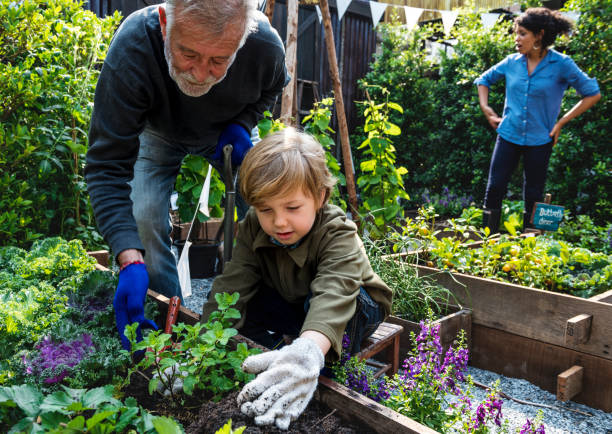
Basil is one of the best herbs to grow with children because it smells amazing and grows quickly. Every time my kids brush their fingers against the leaves, the fresh scent fills the air it’s a perfect sensory plant for young gardeners.
It’s also a great way to introduce kids to cooking. They can help pick basil leaves for pizza, pasta, or salads. With just a sunny windowsill and a bit of water, basil grows happily, showing children how herbs can be both beautiful and useful.
6. Mint - The Easiest Herb For Beginners
Mint is almost impossible to kill, which makes it perfect for children learning to garden. It grows fast, spreads quickly, and gives off a refreshing scent that kids adore. Every time we water it, the smell makes the whole garden feel fresh.
You can grow mint in a pot to keep it contained, and within a few weeks, you’ll have enough leaves for tea, lemonade, or desserts. It’s a simple plant that builds confidence in kids because they can’t go wrong with it.
7. Parsley - A Gentle Introduction To Herb Gardening
Parsley is a lovely herb for teaching kids about harvesting leaves. It grows steadily and looks beautiful in the garden. I often show my kids how to snip off the outer leaves while letting the inner ones keep growing a simple lesson in sustainable gardening.
Parsley is also great for introducing children to cooking herbs. They love adding the freshly picked leaves to soups or pasta dishes. It’s an easy, green way to get them involved in both gardening and cooking.
8. Pumpkins - The Magic Of Watching Vines Grow
Nothing compares to the excitement of growing pumpkins. When I plant them with kids, we start with a few big seeds and soon see long, curling vines taking over the garden. Each week brings new flowers, and then one day tiny pumpkins appear!
Watching them grow bigger every day feels magical. By autumn, the kids are proud to harvest their own pumpkins for carving or baking. It’s a wonderful way to teach them about patience, care, and the full life cycle of a plant from seed to pumpkin pie.
9. Sunflowers - Tall, Cheerful, And Full Of Wonder
Sunflowers never fail to amaze children. I love planting them with kids because they grow taller than anyone expects, sometimes taller than the kids themselves! Watching them reach for the sky teaches patience and wonder all at once.
Their big, bright yellow faces always make the garden feel happy. When the seeds start forming, I show my kids how birds and bees visit them, making it a great lesson about nature and pollinators. Sunflowers are more than just flowers; they’re living smiles in the garden.
10. Marigolds - Bright, Strong, And Loved By Bees
Marigolds are one of the toughest and brightest flowers I grow with children. They handle heat well, bloom for months, and fill the garden with color. Their bold orange and yellow petals always grab kids’ attention, and they love picking the blossoms to decorate their play areas.
What’s even better is that marigolds attract bees and butterflies while keeping pests away from vegetables. I often tell my kids these flowers are the “garden protectors,” which makes them proud to grow them alongside our veggies.
11. Nasturtiums - Edible Flowers With A Peppery Surprise
Nasturtiums are a delight in every child’s garden. They come in vibrant shades of red, orange, and yellow and the best part is, both the leaves and flowers are edible! My kids always giggle when they taste the peppery petals, like they’ve discovered a secret snack from nature.
They’re super easy to grow, even in hanging pots or poor soil. The trailing vines add a fun, wild look to the garden. Growing nasturtiums helps kids learn that flowers can be both beautiful and useful.
12. Zinnias - Endless Color And Long Blooms
Zinnias are pure joy to grow with kids. They bloom in every color imaginable and keep flowering all summer long. I love how each new bloom feels like a surprise no two are exactly alike.
Kids enjoy cutting them for indoor vases because the flowers last a long time after picking. Zinnias also attract butterflies, turning the garden into a lively, colorful space. They’re one of the most rewarding flowers for little gardeners because they bring quick, cheerful results.
13. Chamomile - Gentle And Calming For Kids
Chamomile is a sweet and gentle plant I always include in our family garden. It has tiny white flowers that look like little daisies, and its soft, calming scent makes everyone relax. Kids love picking the blossoms and smelling them in their hands.
It’s also perfect for teaching them how plants can be used for natural remedies we sometimes dry the flowers to make tea. Chamomile is easy to grow and forgiving, making it ideal for small hands and short attention spans.
14. Lavender - Beautiful, Soothing, And Loved By Bees
Lavender is one of those plants that makes the whole garden smell wonderful. Every time my kids brush past it, the air fills with its calming fragrance. It’s a perfect sensory plant soft to touch, lovely to smell, and beautiful to look at.
Lavender also attracts bees and butterflies, helping children understand the importance of pollinators. We sometimes dry the flowers to make little scent sachets, which the kids proudly keep under their pillows. It’s peaceful, pretty, and full of learning moments.
15. Snapdragons - Fun Flowers That “Talk”
Snapdragons are pure fun for kids. When you gently squeeze the sides of their blooms, they open and close like little dragon mouths which always makes children laugh! I remember my kids spending hours making the flowers “talk” to each other.
They come in many colors and bloom for a long time. Snapdragons also teach kids how flowers can have unique shapes and hidden surprises. Plus, they’re great for garden borders or pots near the window where everyone can enjoy them.
16. Cosmos - Graceful Flowers That Keep On Giving
Cosmos are some of the easiest and prettiest flowers to grow. They sway gently in the wind, adding a soft charm to any garden. When I grow them with kids, I love showing how tall and elegant they become, and how new flowers keep appearing throughout summer.
They’re wonderful for cutting and arranging, giving children a creative way to enjoy their harvest indoors. Cosmos also attract butterflies, turning your garden into a little haven of life and color.
17. Strawberries - Sweet Rewards For Patience
Strawberries are always the highlight of our garden. Kids love them because they get to see tiny green berries slowly turn into bright red treats. It’s a delicious reward for patience and care.
They grow perfectly in containers, hanging baskets, or small garden patches. Every time we harvest strawberries, it becomes a mini celebration. It’s one of the easiest ways to show children how effort and love can turn into something truly sweet.
18. Cress - Quick And Fun For Indoor Gardening
Cress is perfect for impatient little gardeners. It grows in just a few days, sometimes even without soil! My kids love sprinkling cress seeds on damp cotton or tissue paper and watching them sprout almost overnight.
It’s a great kitchen experiment that teaches about germination and plant life. Plus, cress can be snipped and added to sandwiches for a fresh, peppery taste. It’s small, simple, and endlessly fascinating for curious minds.
19. Strawberries - Delicious Rewards For Patience
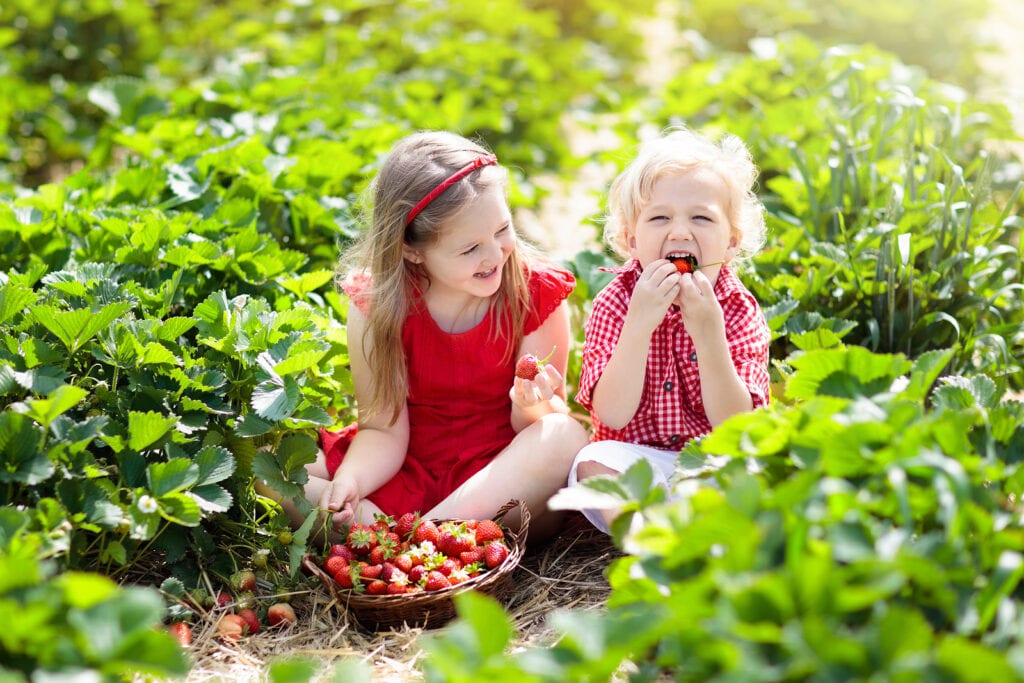
Strawberries are always the stars of our family garden. Kids can’t wait to see the tiny white flowers turn into green berries and finally ripen into juicy red treats. Watching that slow transformation teaches patience in the sweetest way possible.
They’re perfect for containers or small raised beds, which makes them great for little hands to care for. Every harvest day feels like a celebration, and it’s hard not to smile when a child proudly picks their first homegrown strawberry. For me, it’s one of the most joyful ways to connect kids with nature and healthy eating. You can make it even more fun by sharing some strawberry factswith your kids like how strawberries are the only fruits with seeds on the outside!
20. Cress - Tiny Greens With Big Lessons
Cress is my go-to plant for instant fun. It grows so fast that kids can see results in just a few days sometimes within 48 hours! I often sprinkle the seeds on damp cotton or paper towels in shallow trays, and my kids love checking on them every morning.
It’s also an easy way to start simple kitchen experiments. We snip the fresh shoots to add to sandwiches and salads, showing how plants can go straight from “garden” to “plate.” Cress teaches the basics of plant growth without the wait perfect for curious young minds.
21. Aloe Vera - A Natural Healer And Gentle Care Lesson
Aloe vera is one of those magical plants that every child should grow. Its thick, juicy leaves store water, and when you cut one open, the cool gel inside can soothe small cuts or burns. My kids were amazed the first time they saw that plants can help us heal.
It’s also a hardy, low-maintenance plant that teaches kids how to care for succulents. I always remind them not to overwater, which becomes a simple lesson in balance and observation. Aloe vera is not just useful it’s a plant that inspires kindness and responsibility.
22. Succulents - Small Plants, Big Lessons In Patience
Succulents are perfect for teaching kids about drought-tolerant plants. Their plump, colorful leaves come in so many shapes that each one feels like a tiny piece of art. My children love arranging them in little pots and giving each one a name it’s both creative and educational.
They don’t need much water, so they’re forgiving for beginners. I often explain how these plants store moisture, helping kids understand how life adapts to tough conditions. Succulents are quiet teachers of resilience and beauty in simplicity.
23. Lamb’s Ear - The Softest Plant You’ll Ever Touch
Lamb’s ear is a plant made for curious fingers. Its leaves are covered in tiny silvery hairs that feel velvety soft just like an animal’s ear! Every time I introduce it to kids, they can’t stop touching it, laughing at how gentle and fuzzy it feels.
It’s perfect for a sensory garden because it engages the sense of touch in such a delightful way. I also love how tough it is; even if it gets stepped on, it bounces right back. Growing lamb’s ear helps children appreciate texture and teaches that not all beauty is about color; sometimes, it’s about how something feels.
24. Sweet Peas - Climbing Flowers With A Heavenly Scent
Sweet peas are pure elegance in the garden. They climb tall with soft tendrils and fill the air with a fragrance that feels almost magical. When I plant them with kids, I tie the vines gently to small supports and let the children watch how they wrap around and climb toward the sun.
Their pastel-colored flowers make beautiful little bouquets that kids love to pick. It’s a plant that teaches patience, care, and the reward of fragrance a truly delightful sensory experience.
25. Corn - Tall, Dramatic, And Full Of Discovery
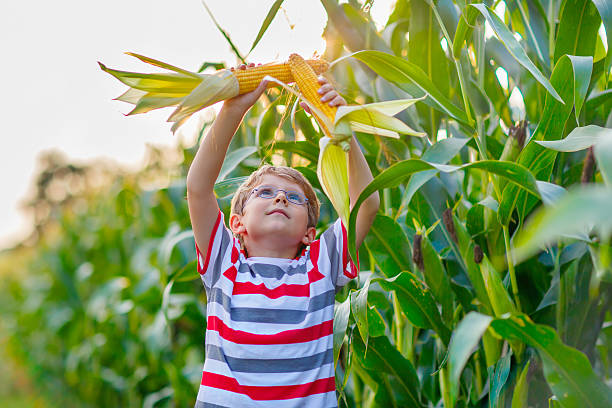
Corn is always a big hit with older kids. The seeds are large and easy to plant, and the tall stalks that follow create a sense of wonder in the garden. I remember my children’s faces lighting up when they saw tassels forming for the first time it’s like watching a living science lesson unfold.
It’s also perfect for group projects or summer gardening activities because everyone can take part in planting and caring for it. From seed to harvest, corn teaches teamwork, observation, and the joy of growing something from start to finish.
Gardening Tasks By Age
Not all kids are ready for the same gardening jobs, and that’s okay. Here’s what has worked for me:
- Ages 2-5:I let them water plants with a small cup, pat soil around seeds, or collect leaves. They love getting dirty, and it helps them connect with nature.
- Ages 6-9:These kids can plant seeds, measure how much water is needed, and keep a “growth journal” to note what changes they see each day.
- Ages 10-14:Older children can take full charge of their small garden area. They can research plant care, prune leaves, and learn basic composting.
Each task gives them a sense of pride and responsibility. It’s amazing how a simple daily watering routine can teach discipline and mindfulness. You can also turn gardening moments into teachable life lessons for instance, talk about making healthy choices and ask your kids to take the pledge tobaccoto help them understand the value of caring for both their health and the environment.
Simple Planting Calendar For Kids
March-April:
Plant sunflowers, peas, and lettuce. These can be started indoors or planted early outdoors once the soil begins to warm.
May-June:
Try tomatoes, beans, and marigolds. These love the warmer months and germinate quickly, giving kids fast, visible results.
July-August:
Grow zinnias, mint, and basil. They thrive in summer heat and keep your garden full of color and scent.
September-October:
Perfect time for radishes and lettuce. These cooler-weather plants grow fast and are great for late-season harvesting.
Year-round:
Keep things fun indoors with succulents and cress. They’re easy to grow anytime, even on a sunny windowsill.
You can always adjust this list depending on your local climate in tropical regions, many of these plants can be grown all year round.
When Plants Don’t Grow As Planned
Kids need to learn that not every seed will sprout and that’s okay. I use those moments to teach patience and problem-solving. We talk about what might have gone wrong too much water, not enough sunlight, or maybe pests. Then, we try again.
Gardening teaches resilience better than any lecture. Every failed seedling is a chance to start fresh. I always remind my kids that even the best gardeners make mistakes it’s part of the process. For parents, lessons like these are powerful reminders of the things every parent must knowthat growth, in plants and in children, takes time, patience, and encouragement.
People Also Ask
What Are The Easiest Plants For Kids To Grow?
From my experience, the easiest plants for children are radishes, cress, sunflowers, mint, and cherry tomatoes. They grow quickly and don’t need much care, which helps kids stay excited and see progress fast. These beginner-friendly plants are forgiving and fun to watch.
How Do I Make Gardening Fun For Kids?
Turn gardening into a game. Let children choose their own seeds, paint their plant pots, or make plant labels with their names. I’ve found that when kids take ownership of their plants, they naturally become more curious and proud of their garden.
What Age Is Best To Start Gardening With Children?
You can start simple gardening activities with toddlers, as long as you supervise them. Around ages 4 to 6 is perfect for planting easy seeds like beans or sunflowers. By 8 and up, kids can handle more responsibility, like watering and weeding.
How Can I Teach My Kids About Plant Care?
Start small explain how plants need sunlight, water, and care just like people do. I often say, “Plants get thirsty too,” when reminding my kids to water them. Use visual examples, like comparing droopy leaves to being tired, to help them understand better.
What Plants Are Safe For Children To Touch?
Most herbs and flowers like basil, lavender, lamb’s ear, chamomile, and marigolds, are safe and fun to touch or smell. Always avoid toxic varieties such as oleander or foxglove. If you’re unsure, double-check a trusted plant safety list before planting.
Final Thoughts
Every time I garden with kids, I’m reminded how powerful small experiences can be. Watching a seed sprout or a flower open connects them to nature in ways no screen ever could. These 25 plants to grow with children aren’t just about gardening; they’re about curiosity, joy, and the lessons that last long after the harvest.
From fast-growing radishes to slow, magical pumpkins, each plant teaches something different: patience, care, observation, and love for the earth. And when kids finally taste their first strawberry or watch their sunflowers reach the sky, you’ll see pure pride in their eyes.
So, grab some seeds, a bit of soil, and make space for wonder. The best memories often start with dirty hands and a patch of sunlight.