Best Age To Start Music Lessons For Children [Complete Breakdown]
Parents often wonder about the best age to start music lessons for children. The truth is, music can begin at birth with songs, rhythm, and play. As kids grow, their readiness for structured lessons changes.
![Best Age To Start Music Lessons For Children [Complete Breakdown]](https://www.realparentsrealanswers.com/wp-content/uploads/2025/10/29ef944231d4a992/best-age-to-start-music-lessons-for-children.jpeg)
Oct 02, 2025
When Should Your Child Begin Their Musical Journey?
Every parent hopes to give their child the best possible start. Maybe you have seen your toddler swaying to a favorite tune or your preschooler turning pots and pans into a drum set. These little moments often lead to a bigger question: is it time for formal music lessons?
The truth is, there isn’t a single “perfect age” to begin. What matters most is understanding what your child needs at each stage of development and how music can fit naturally into their world.
Understanding Musical Development - Why Age Matters
Music education experts agree that different instruments need certain physical and mental skills, which develop at different ages. But readiness is not just about turning a certain age. It is about the mix of physical ability, mental maturity, emotional control, and real interest.
Think of music growth like learning to walk. Some children take their first steps at nine months, while others wait until 15 months. Both are completely normal. In the same way, the best window for starting an instrument and learning to read music is usually between ages five and nine. That does not mean music should be delayed until then, and it also does not mean starting later is too late.
The key point many parents miss is that formal lessons are only one part of music education. Among the things every parent must knowis that early musical exposure, even before lessons begin, builds the foundation for lifelong learning.
Birth To 18 Months - Building The Musical Foundation
Your baby's musical journey begins the moment they hear their first lullaby. In these early months, you are not getting them ready for lessons. You are helping their brain build the pathways needed for musical understanding.
What's Happening Developmentally
Infants take in sound patterns, notice rhythms, and start to tell the difference between pitches. They are building listening skills that will later help them tell instruments apart, recognize melodies, and eventually learn to read music.
What To Do Now
Create a rich sound environment. Sing to your baby during diaper changes. Play many kinds of music during playtime, such as classical, jazz, folk, and world music. Do not limit it to children’s songs. Let them hear complex rhythms and a variety of instruments.
Try simple activities like:
- Gentle bouncing to music while holding your baby
- Singing the same lullabies consistently to help them recognize patterns
- Using soft rattles and shakers during awake time
- Responding musically to their coos and babbles
The goal is not performance but immersion. You are helping your child’s brain learn that music is a natural and joyful part of daily life.
Developmental Milestones
Toddlers begin to move with purpose to music, trying to match rhythm with their bodies. They start singing parts of songs and showing clear likes for certain melodies. As their vocabulary grows, they can connect with song lyrics in more meaningful ways.
Musical Activities For This Age
Music classes for young children focus on movement, exploration, and play instead of technical skills. These classes use songs, chants, movement activities, and simple instruments to build imagination, thinking skills, coordination, musical awareness, and self-expression.
At home, try:
- Dance parties where you move together to different tempos
- Simple percussion instruments like drums, tambourines, and maracas
- Singing games with hand motions
- Call-and-response singing activities
- Musical storytelling where sounds represent characters or actions
Critical insight:Resist the urge to correct or criticize. If your toddler sings off-key or plays off-beat, that is fine. They are exploring, trying new things, and building confidence. Technical accuracy will come later.
Ages 3 To 4 - Structured Musical Play
This is a transition period where children shift from simple exploration to more structured musical experiences, but they are still not ready for traditional instrument lessons.
Age-Appropriate Activities
Music Masters classes for three through five-year-olds teach the components of timbre, rhythm, pitch, beat, and style. These structured group classes introduce musical concepts through games and movement rather than formal instruction.
Consider activities like:
- Body percussion (clapping, stomping, patting)
- Simple rhythm games with percussion instruments
- Learning to recognize different instrument sounds
- Singing games that teach musical concepts (loud/soft, high/low)
- Movement activities that develop body awareness and coordination
Many community music schools and cultural centers offer "pre-instrumental" classes for this age group. These classes give children structured musical experiences without the pressure of learning a real instrument.
Ages 4 To 5 - The Pre-Lesson Sweet Spot
Now we're entering territory where some children might be ready for certain instruments, but many still benefit more from continued musical play.
Individual Readiness Varies Dramatically
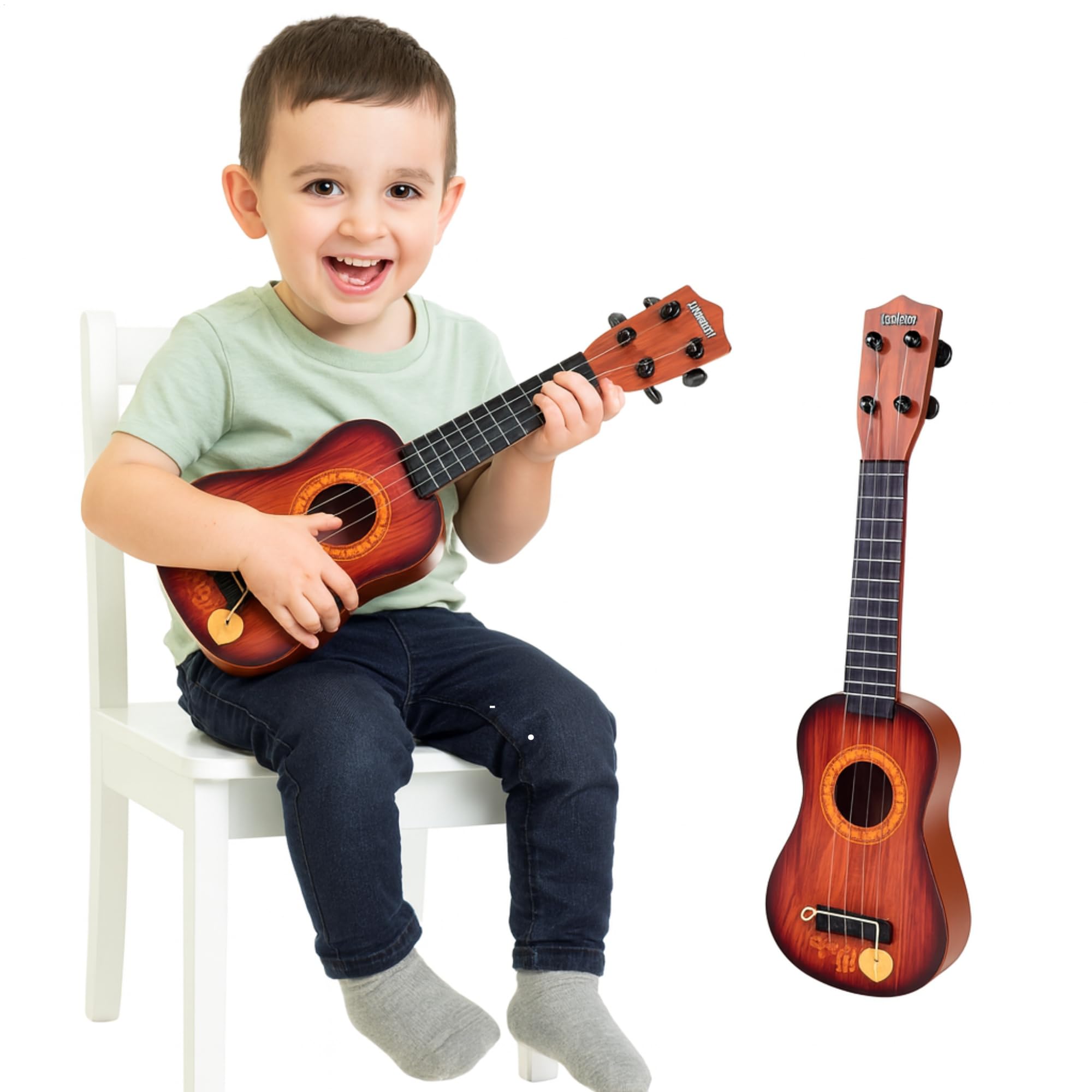
At age four, children can start private lessons for violin or cello, since they have the finger dexterity to hold a bow, and string instruments come in various sizes so students can begin at a young age on a mini version. However, this doesn't mean every four-year-old should start violin.
Consider these readiness factors:
- Can your child focus on a single activity for 15-20 minutes?
- Do they show genuine interest in a specific instrument?
- Can they follow two or three-step directions consistently?
- Have they developed basic fine motor skills (holding a pencil, using scissors)?
- Can they handle gentle frustration without melting down?
What Five-Year-Olds Can Begin
Five-year-olds have more finger and arm strength and focus, so they have the option of starting piano lessons or classes. Piano offers unique advantages at this age because it is visual and children can see the keys, it does not require complex embouchure or bowing technique, and it provides immediate feedback since pressing a key produces sound right away.
Important distinction:Starting lessons at this age works best with teachers who specialize in young children and use play-based, short-lesson formats. Traditional 30-minute lessons with heavy emphasis on technique will likely backfire.
Ages 5 To 7: The Formal Lesson Window Opens
Child development experts believe starting music lessons between ages 5-9 has the most benefits, as fine motor skills for playing instruments solidify between ages 5-7. Most children in this age range are developmentally ready for structured instrumental instruction.
Why This Age Range Works
Children aged 5-7 typically have:
- Sufficient attention span for 20-30 minute lessons
- Basic literacy skills that help with reading music
- Fine motor control adequate for most instruments
- The cognitive ability to understand cause and effect in music
- Developed enough emotional regulation to handle practice frustration
Expanding Instrumental Options
By age six, children can join a choir as they'll be able to easily read the words of songs and are ready to use a wider vocal range, and at eight, they're able to start guitar classes or lessons.
At seven, children can start or switch to other string instruments, such as viola and upright bass. The key is matching the instrument to the child's physical developmentand genuine interest.
The piano foundation transfers beautifully to other instruments. Children who begin early often find that the coordination and reading skills they gain become essential steps toward mastering the pianolater in their musical journey.
Real-world consideration:Don't force an instrument choice based solely on age guidelines. A six-year-old who's obsessed with drums may succeed better than a seven-year-old pushed toward piano because "it's foundational." Intrinsic motivation matters enormously.
Ages 8 To 11: Prime Time For Wind And Brass Instruments
Starting around age nine, children can start private lessons or group classes for band instruments including bassoon, clarinet, flute, French horn, oboe, percussion, saxophone, trombone, trumpet, and tuba/euphonium.
Physical Requirements Matter
Wind instruments don't have mini-sized versions, so it's best to wait until your child has developed the physicality to handle these larger instruments comfortably. At this age, children have greater lung capacity, better finger dexterity, and can focus for longer practice periods.
By age nine, most children have grown many adult teeth and will be able to better learn embouchure, which is the use of lips, facial muscles, tongue, and teeth in playing wind instruments, compared to younger children.
Building On Earlier Foundation
Children who've had musical experiences in earlier years often progress faster when starting new instruments at this age. They already understand basic music theory, can read rhythm, and know how to practice effectively.
Strategic insight:If your child started piano at five, age 8-9 is an excellent time to add a second instrument if they're interested. The piano foundation transfers beautifully to other instruments.

Age 12 And Beyond: It's Not Too Late
Contrary to popular belief, starting music lessons as a preteen or teenager isn't a disadvantage; it's simply different.
Advantages Of Later Starts
Older beginners bring cognitive maturity, better self-discipline, clearer goals, and often stronger intrinsic motivation. They can practice more independently and understand abstract musical concepts more quickly.
Voice Lessons: The Waiting Game
The instrument you'll need to wait the longest to sign your child up for private lessons for is their voice. While joining a choir is a great beginning from age seven on, more rigorous private voice lessons should wait until your child has gone through puberty when their vocal range and vocal chords have changed.
Starting serious voice training too early risks vocal damage and can hinder long-term development. Group singing is fine, but intensive private voice instruction should wait until physical maturation is complete.
The 12 Readiness Signs You Shouldn't Ignore
Rather than focusing solely on age, watch for these developmental indicators that suggest your child is ready for formal lessons:
Cognitive and Attention-Based Signs:
- Maintains focus on activities for 15-20 minutes without constant redirection
- Follows multi-step instructions reliably
- Shows problem-solving persistence when tasks are challenging
- Demonstrates curiosity about how things work
Physical Readiness Indicators:
- Fine motor control sufficient to manipulate small objects precisely
- Hand-eye coordination developed through activities like puzzles or catching
- Can perform rhythmic movements with reasonable accuracy
- Physical stamina adequate for the chosen instrument
Emotional and Social Markers:
- Handles mild frustration without completely falling apart
- Can accept constructive feedback without becoming defensive
- Shows genuine excitement (not just parental enthusiasm) about learning music
- Demonstrates some degree of self-discipline in other areas
Musical Interest Signs:
- Spontaneously engages with music (singing, dancing, making up songs)
- Asks questions about instruments or music they hear
- Shows preferences for certain types of music or specific instruments
- Imitates musical sounds or rhythms they've heard
Your child doesn't need to show all the signs before starting music lessons. However, pay attention to the overall pattern. A child showing most of these indicators will likely thrive; one showing few may need more time or different musical experiences first.
Also Read: Amazing Tips For Establishing Boundaries With Parents And Setting Goals
Choosing The Right Instrument For Your Child's Age
Not all instruments are created equal when it comes to age appropriateness. Here's a realistic breakdown:
Ages 4-6: Early Start Instruments
- Piano:Excellent first instrument; visual, intuitive, builds music literacy
- Violin/Cello:Possible with mini-sized instruments and specialized teaching methods
- Recorder:Simple wind instrument that teaches breath control and fingering
Ages 6-8: Expanded Options
- Guitar:Once hands are large enough to reach chords
- Voice (choir):Group singing appropriate; private lessons still too early
- Ukulele:Smaller, easier than guitar; instant gratification
Ages 8-10: Most Instruments Accessible
- Woodwinds:Clarinet, flute, saxophone (physical size matters)
- Brass:Trumpet, trombone, French horn (requires adult teeth for embouchure)
- Percussion:Requires coordination and rhythm understanding
Ages 12+: All Instruments Available
- Private voice lessons now appropriate
- Any instrument can be started successfully
- Advantage of cognitive maturity compensates for later start
The overlooked factor:Your child's physical characteristics matter. Large hands make piano easier; small hands struggle with guitar. Long fingers help with clarinet; braces complicate brass instruments. A good teacher will help assess physical fit along with interest.
Creating A Supportive Home Environment
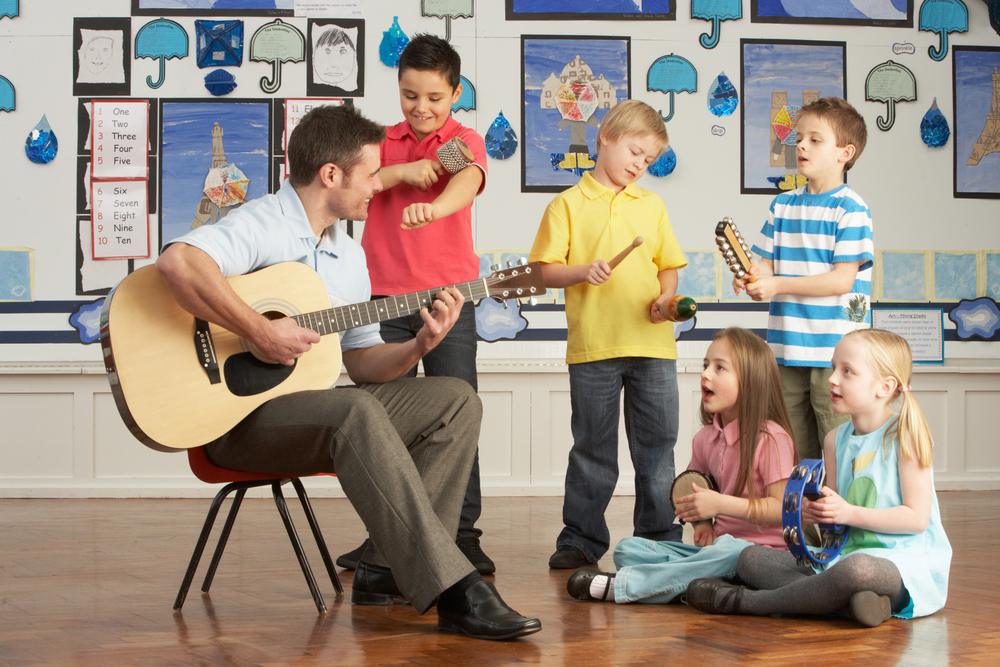
The decision about when to start lessons is only the beginning. Success depends heavily on what happens at home between lessons.
The Practice Reality
For beginners, practicing 10 to 15 minutes each day is usually enough, and consistency is important. Short and regular sessions are better than long and irregular ones.
What many people do not say is that getting a young child to practice every day takes work. It means setting routines, creating a special practice space, and sometimes insisting they practice even when they would rather play video games..
Parental Involvement: The Right Balance
Young beginners need active parental support. You'll need to:
- Attend lessons to understand what they're learning
- Help establish and maintain practice routines
- Provide encouragement without becoming a drill sergeant
- Celebrate small victories and progress
As children mature, gradually transfer responsibility for practice to them. By age 10-12, most children should be managing their own practice schedules with parental oversight rather than direct involvement.
Managing Expectations And Frustration
Learning music is hard. There will be tears, frustration, and moments when your child wants to quit. If your child expresses a desire to quit, have an open discussion about their concerns and encourage them to persist for a set period before making a final decision.
The key is distinguishing between normal learning frustration and genuine misery. Every musician hits plateaus; pushing through builds resilience. But if your child is consistently miserable despite excellent teaching and reasonable expectations, it may be time to reassess.
The Financial Reality
Let's address the elephant in the room: music lessons aren't cheap. Between the instrument, lessons, books, and potential repairs or upgrades, families can spend $1,000-$3,000 annually per child.
Making Music Affordable
- Start with instrument rentals rather than purchases
- Look for community music schools with sliding scale fees
- Consider group lessons initially
- Explore school music programs
- Check if your library has instrument lending programs
- Seek scholarships from music schools and cultural organizations
Many music schools provide financial aid and sliding-scale tuition for families who need help. Do not let money worries be the only reason your child misses out on music education, but make sure to plan your budget realistically.
FAQs About Starting Music Lessons
What If My Child Wants To Learn An Instrument That's Not Age-appropriate Yet?
Keep their interest alive through related activities. If they're fascinated by saxophone but only five years old, let them explore rhythm with percussion, teach them about different instruments, and attend live jazz concerts. Their enthusiasm will sustain until they're physically ready.
Should I Start All My Children On The Same Instrument?
Not necessarily. Each child is an individual with different interests, aptitudes, and learning styles. While sharing an instrument can create bonding opportunities and cost savings, forcing multiple children onto the same instrument because it's convenient may backfire. Let each child choose based on their genuine interest.
How Do I Know If My Child's Teacher Is Good?
Watch for progress over time, your child's enthusiasm level, clear communication about goals and expectations, age-appropriate teaching methods, and your child's growing independence in practice.
Can Musical Ability Be Inherited?
Research suggests some aspects of musical aptitude have genetic components, but environment and exposure matter enormously. Children from musical families often excel not because of genetics alone, but because they're immersed in musical environments from birth. Any child can develop musical skills with proper instruction and practice.
What If We Can't Afford Private Lessons?
Explore school music programs, community music schools with sliding scale fees, group lessons (often half the cost of private), online instruction for older children, or learning together through books and videos.
Should My Child Learn Music Theory Along With Their Instrument?
Good teachers introduce theory concepts as they become relevant to the music students are playing. Young beginners learn basic notation, rhythm, and patterns; older students tackle more complex theory.
How Long Until My Child Will Be "good" At Their Instrument?
Playing simple melodies recognizably? Six months to a year. Performing intermediate repertoire? Three to five years of consistent practice. Genuine proficiency? Typically 7-10 years of dedicated study. But remember: musical progress isn't just about technical skill. Even early learners experience the joy of making music.
What If My Child Wants To Switch Instruments After A Year?
Evaluate why. Temporary frustration or genuine mismatch? If it's a passing phase during a difficult learning stage, encourage persistence. If they've given it an honest effort and truly dislike the instrument, switching might be appropriate.
Do Children Who Start Younger Become Better Musicians?
Not necessarily. While early starters accumulate more playing years, later starters often progress faster due to cognitive maturity and stronger intrinsic motivation. Professional musicians emerge from all starting ages. What matters more than starting age is quality of instruction, consistent practice, and genuine engagement.
Conclusion
Here’s a stronger, more polished conclusion that ties everything together while keeping it inspiring and memorable: Music education is less about age and more about meeting your child where they are. From lullabies and playful exploration in the early years to group classes and instrument study later on, every stage lays stepping stones toward deeper musical understanding. What may seem like “waiting” is in fact powerful foundation-building, shaping curiosity, rhythm, listening skills, and a natural love for sound.